Craftsmanship you can feel
Quality
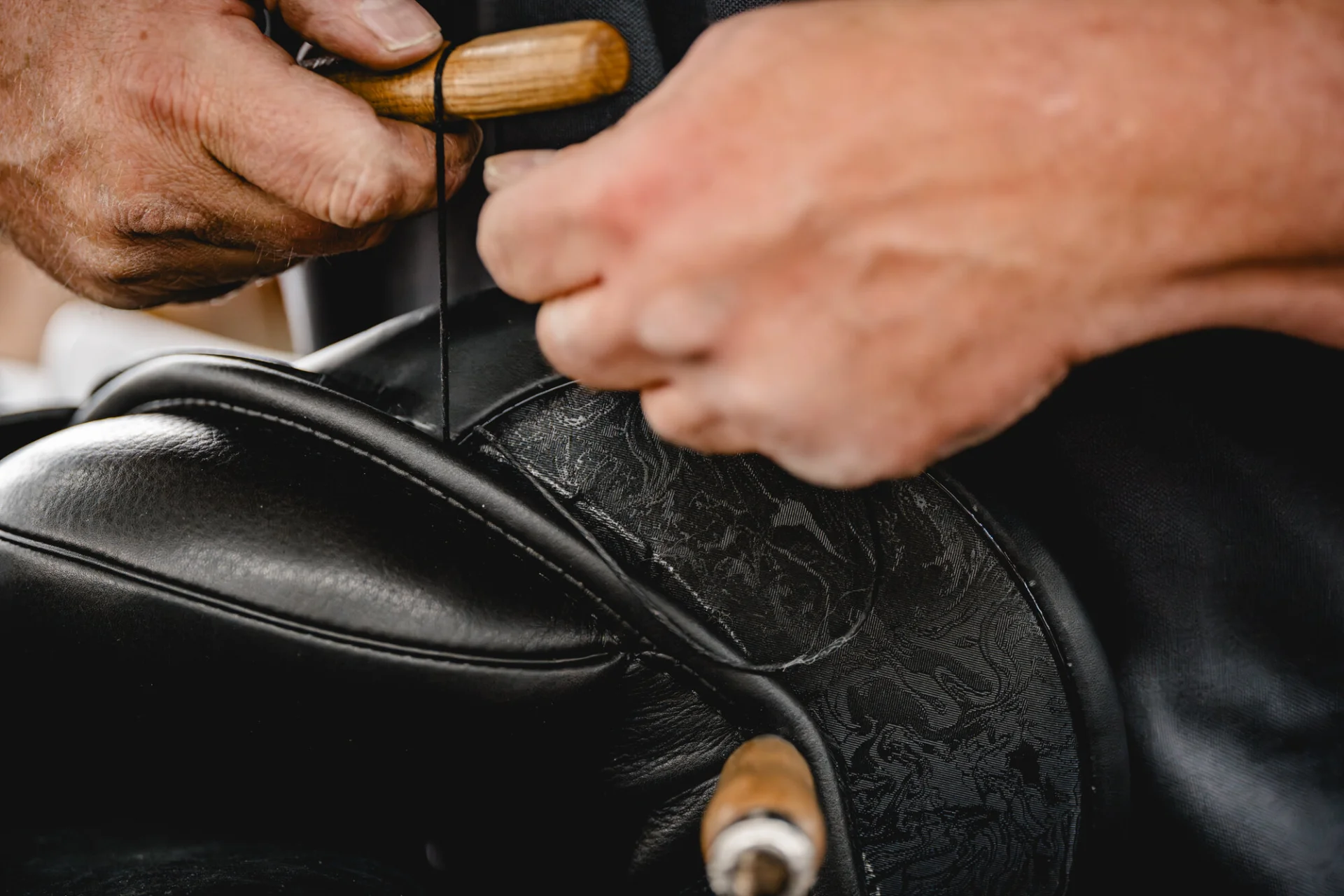
At Passier, quality isn’t just a promise – it’s woven into every stitch, every piece of leather, and every detail. For decades, we’ve upheld the highest standards of craftsmanship, which impress riders and horses alike.
Warranty
Handmade. Tested. Guaranteed.
Quality without compromise
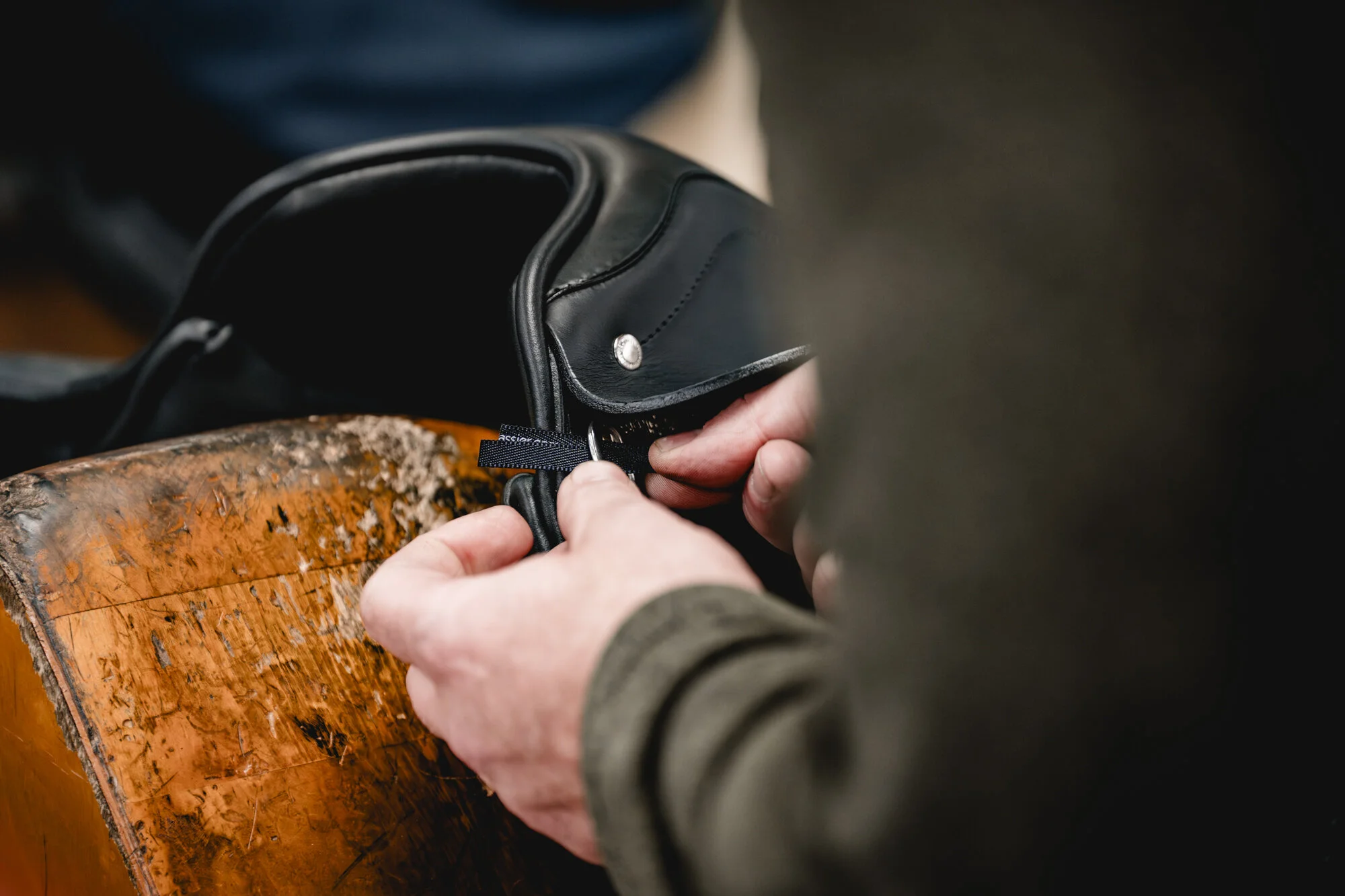
All Passier products are handmade from the finest materials – and are subject to permanent quality control during production. Passier saddles, bridles and accessories thus meet the highest Passier quality standards. Guaranteed. Worldwide.
For Passier quality leather, for example, no proof of defect is required within the statutory two-year warranty period. In these cases, Passier carries out the inspection itself.
There is a special guarantee on Passier saddle trees. For PS saddle trees Passier guarantees for five years, and for synthetic saddle trees for ten years from the purchase of the new product, that there are no hidden defects. This guarantee covers all defects that cannot be detected when the product is handed over and that are not the result of improper handling, care or repair work by third parties. Above all, this means treating the products with the care products recommended by Passier and mounting correctly.
Leather
European Calf leather
Leather Types & Colors
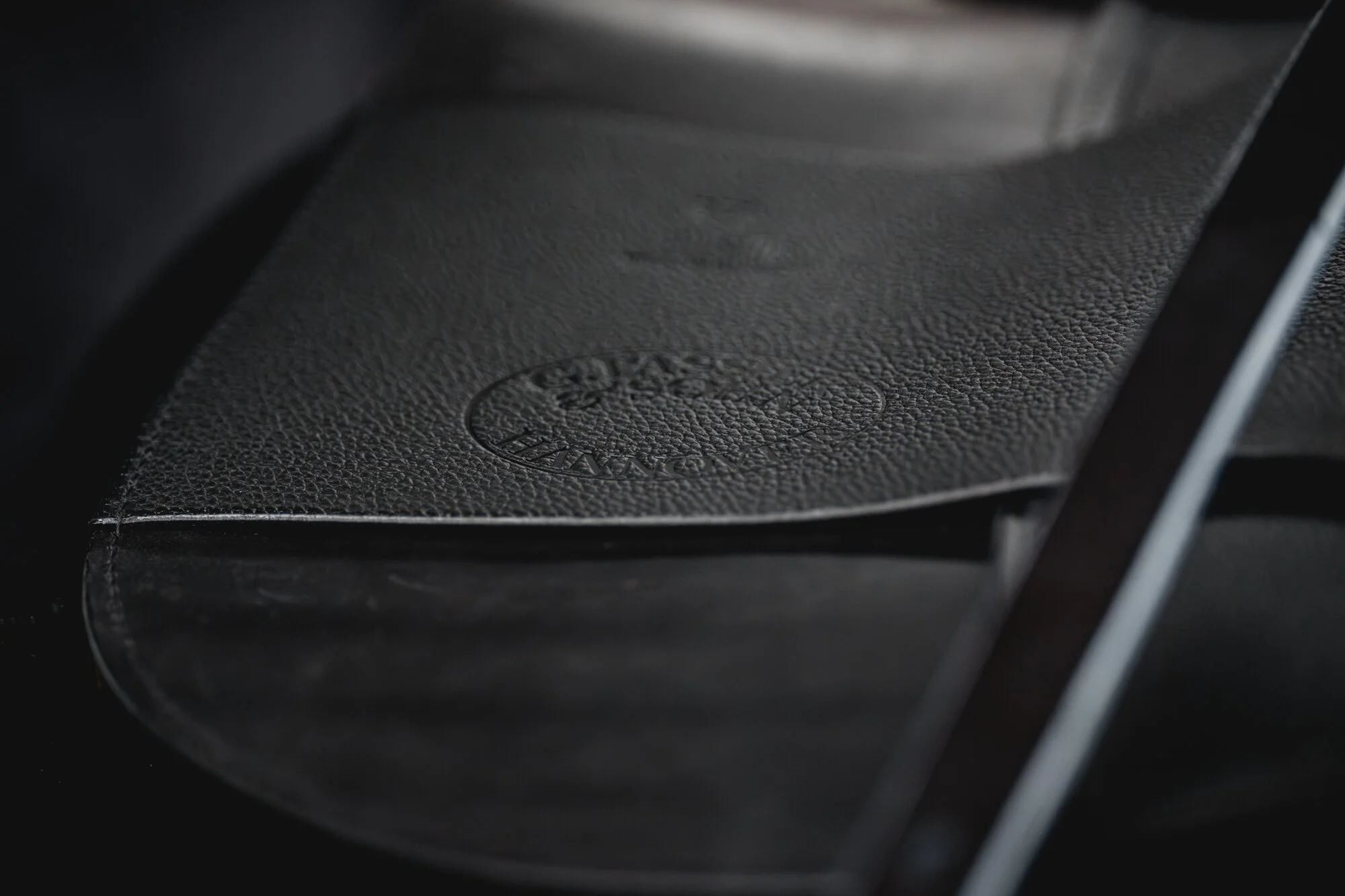
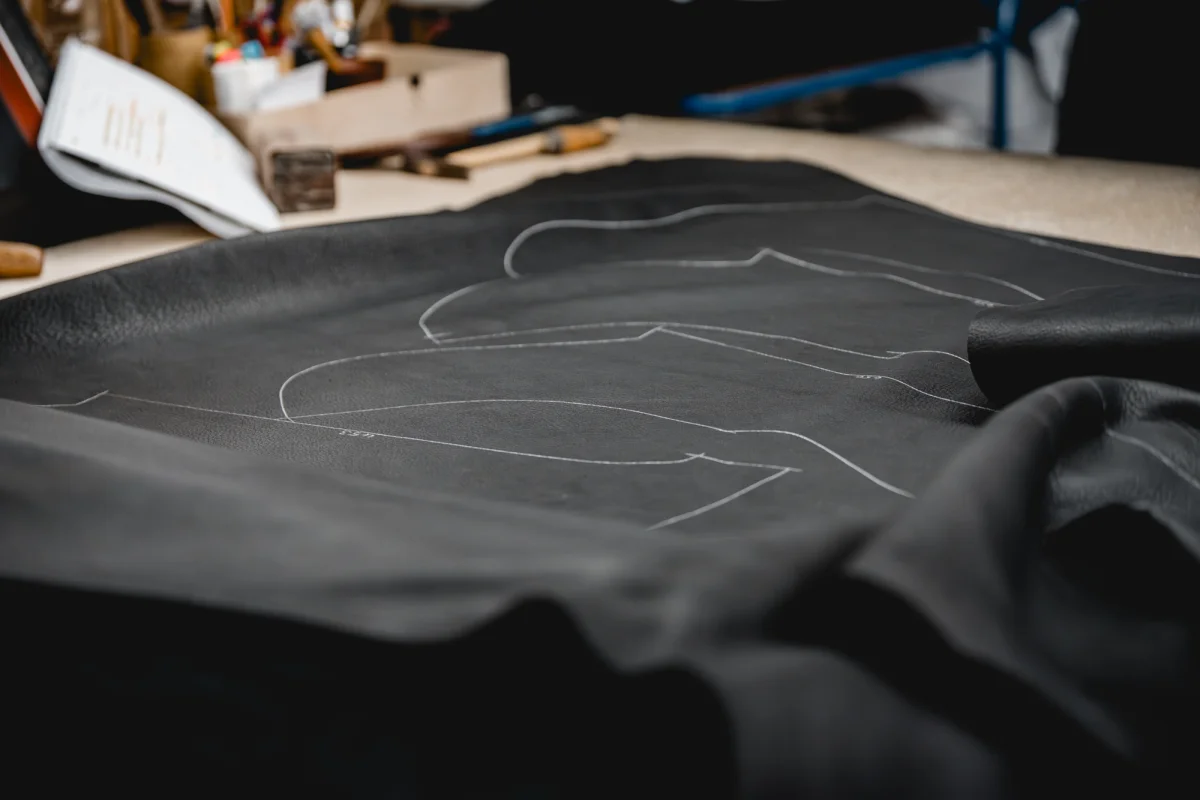
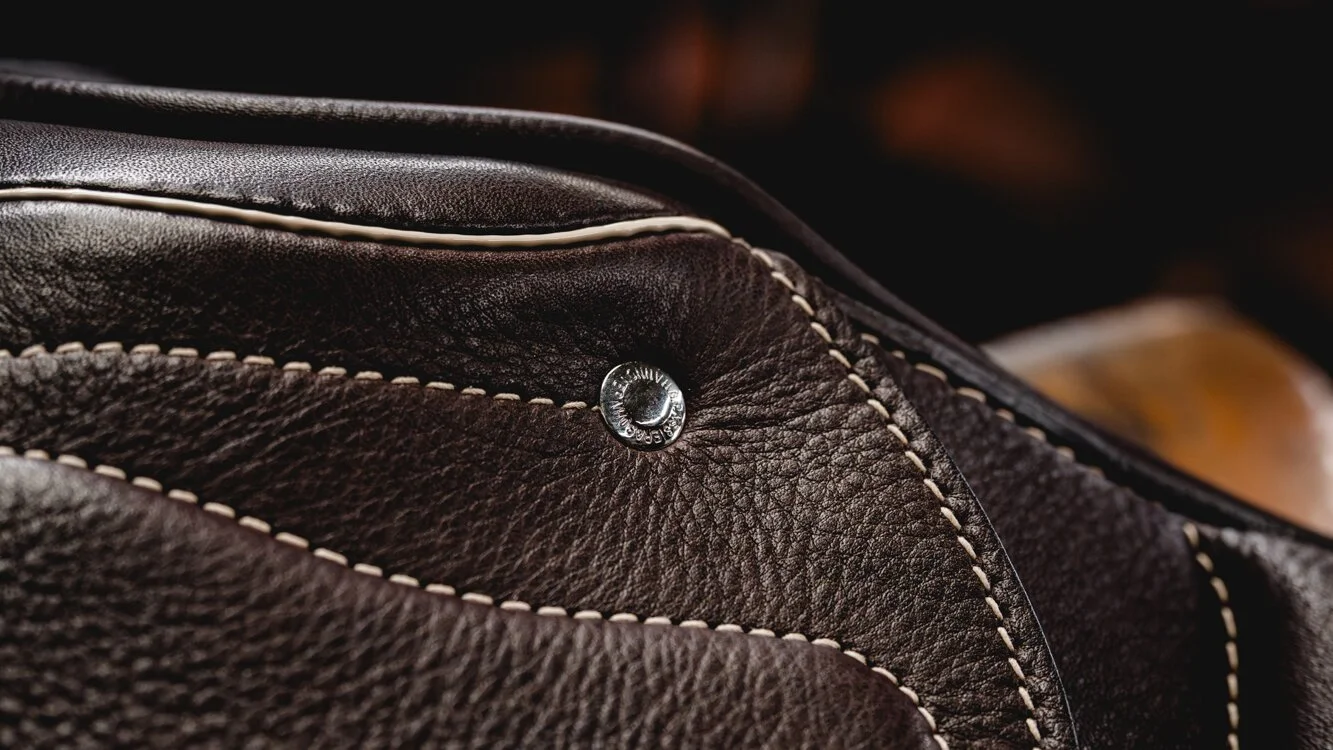
Leather is a natural product – rigid quality control is of utmost importance. Passier saddles are made exclusively from European Calf leather and only the best sections of each hide are used. Leather will occasionally have natural characteristics such as insect bites or scars, which are typical of the appearance of genuine leather. With proper care Passier products have a very long lifespan and will retain their natural and classy appearance for many years or even decades.
Saddle Fit
For optimal movement & peak performance
The Correct Saddle Fit
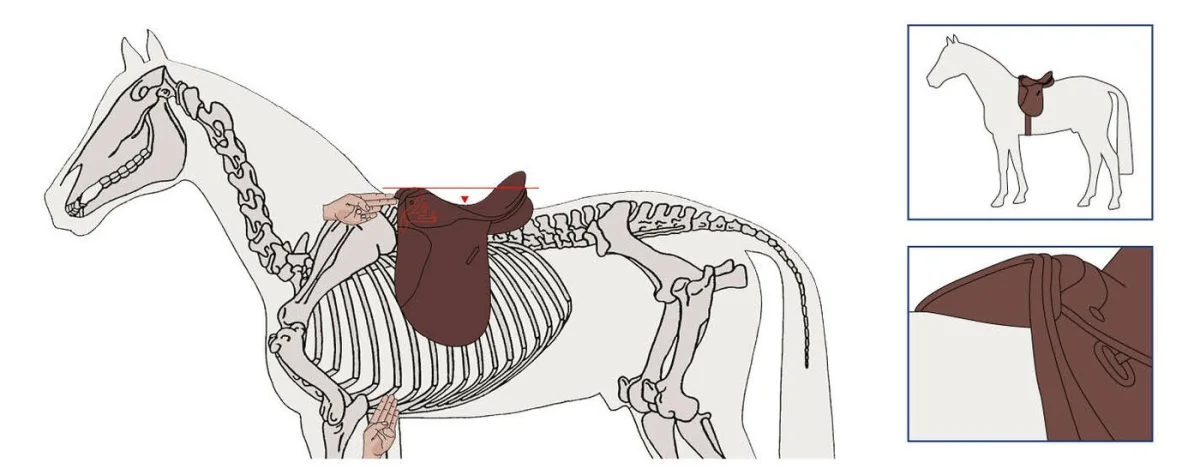
Only a saddle with a perfect fit can ensure that a horse can move optimally and perform at its best. If the saddle does not fit correctly, then the horse is limited in its freedom of movement and may develop painful pressure points.
Important for the perfect saddle-fit is the precise measurement of the horse’s back and the lengthwise line of the spine.
For the measurement you will need a flexible piece of wire (recommended is baling wire, about 2 mm (1/10”) in diameter and 50 cm (20”) long), which lies closely on horse’s back so no space is left between the wire and the horse’s back, and our "Saddle Fitting Guide", you can download here.
Ideal for different types of horses
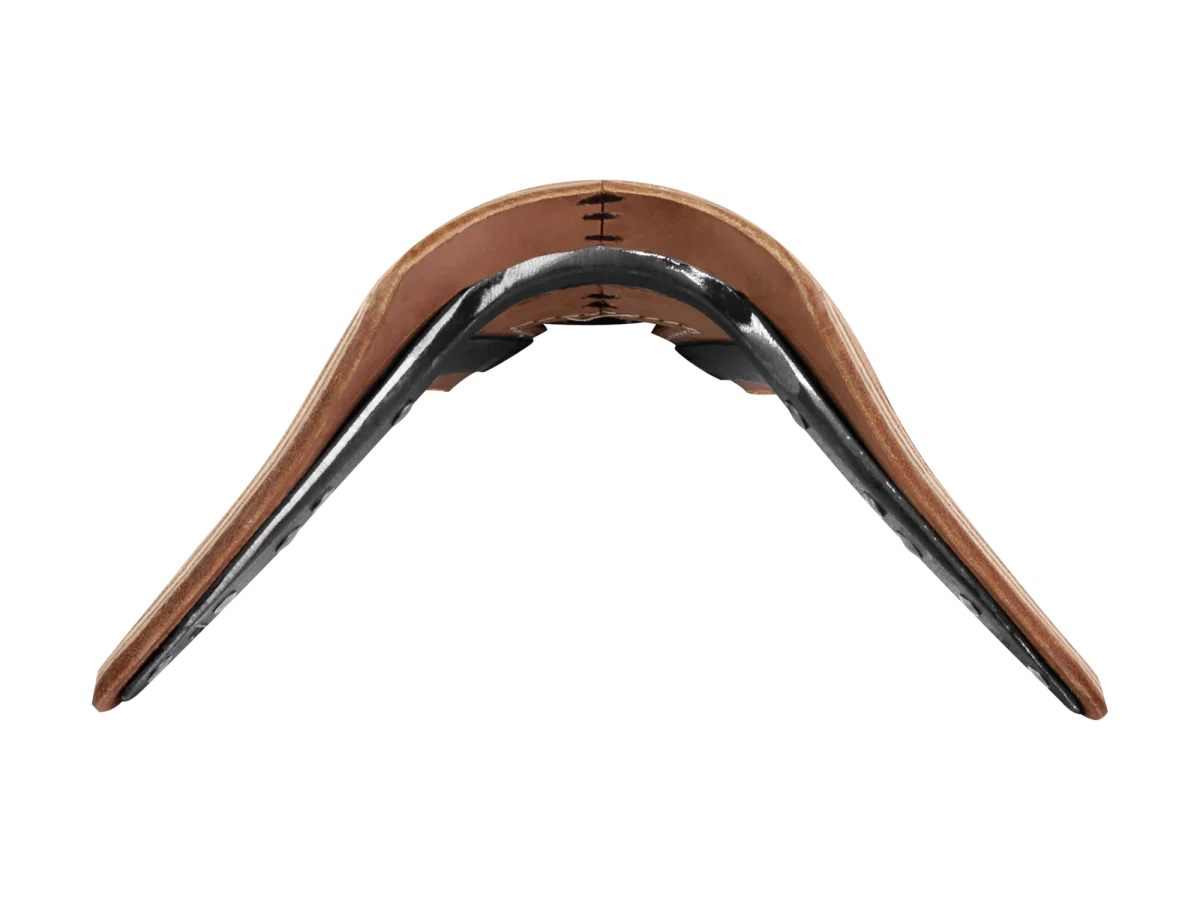
Adjustable Gullet Plate
Why does a Passier saddle fit very different horses? The adjustable gullet plate in the Passier saddle tree makes it possible for just one saddle to be adjusted for many different horses.
Bridle Fit
The Right Size for Your Horse
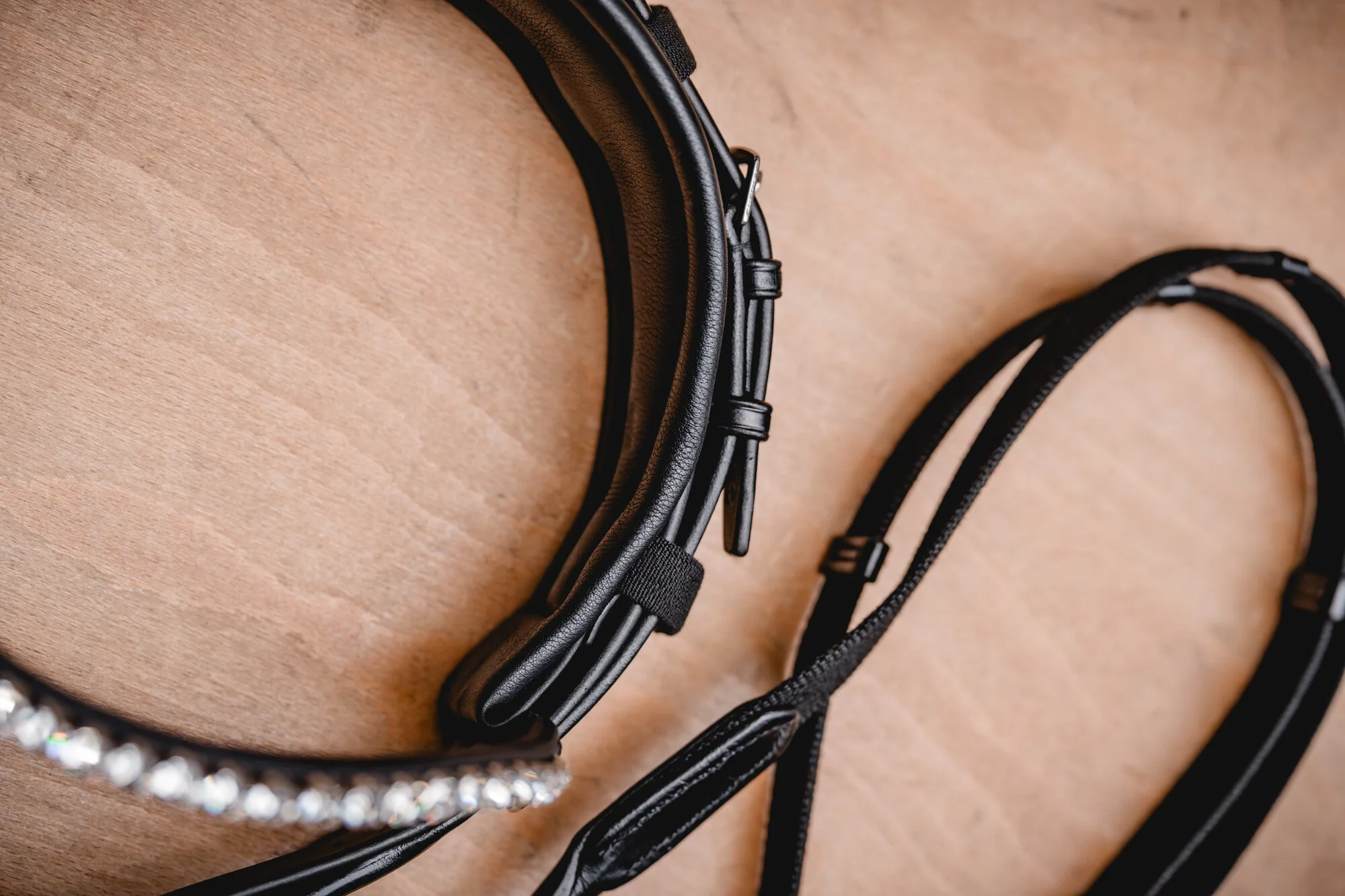
Only a well-fitting and optimally buckled Snaffle or Double Bridle ensures that the horse feels comfortable and can perform at its best. If the Snaffle or Double Bridle does not fit perfectly on the horse's head, it can cause painful pressure points. You can measure your horse's head to see which size Snaffle or Double Bridle is suitable for your horse.
All you need is a flexible measurement band or a ribbon.
By clicking the button you can see how to measure the horse's head correctly and what size your horse needs.
Is your horse between two sizes? No problem! Individual parts of the Snaffle or Double Bridle such as cheek pieces, noseband, browband or headpiece can also be individually exchanged for other sizes so that your Passier Bridle fits your horse perfectly.
Care
For long-lasting quality
Saddle and Girth Care
Every high-quality product should be cared for with special attention to ensure that its superior quality is maintained over time. Passier saddles should therefore be carefully cleaned both on top and underneath regularly after riding – depending on use –, and then conditioned with leather balm. To protect the high-quality leather and avoid causing further damage, only Passier saddle soap and Passier leather balm should be used for maintenance.
Mounting
To protect the horse's back & the saddle
Correct Mounting
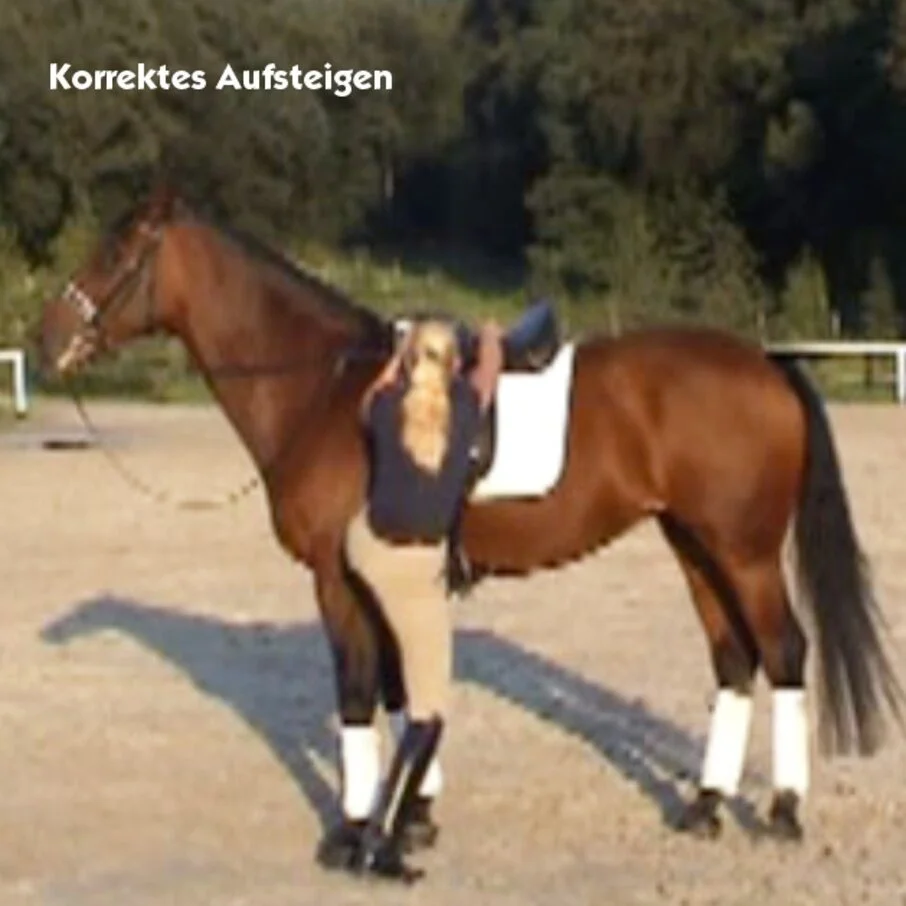
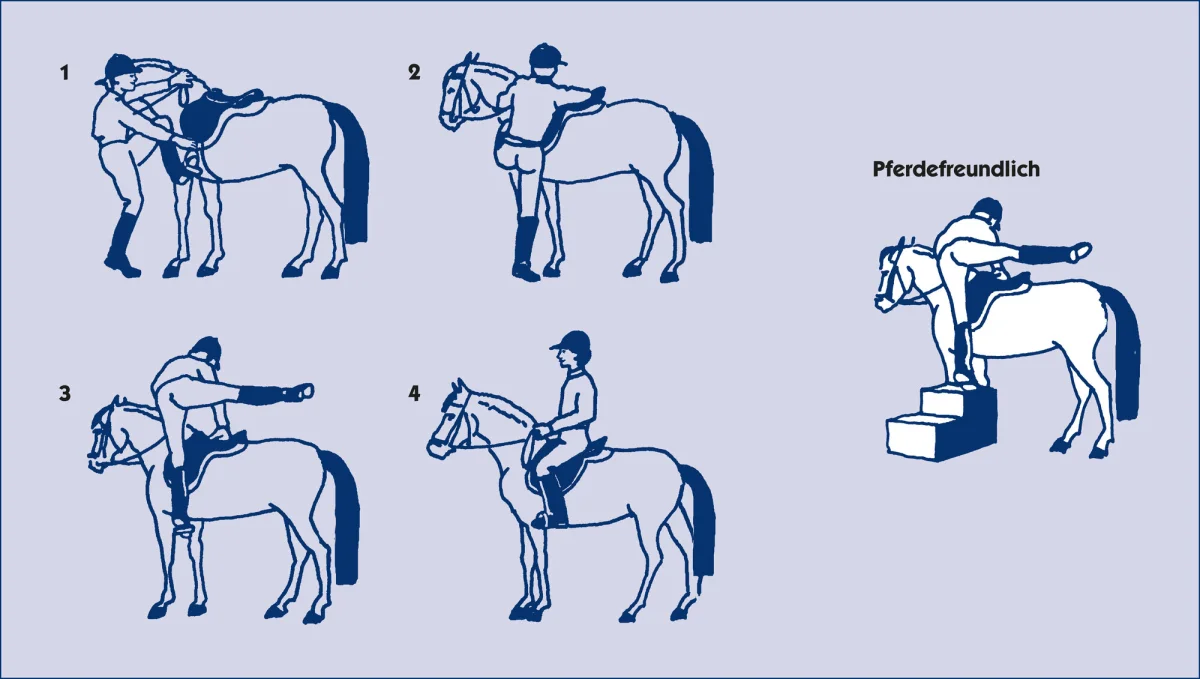
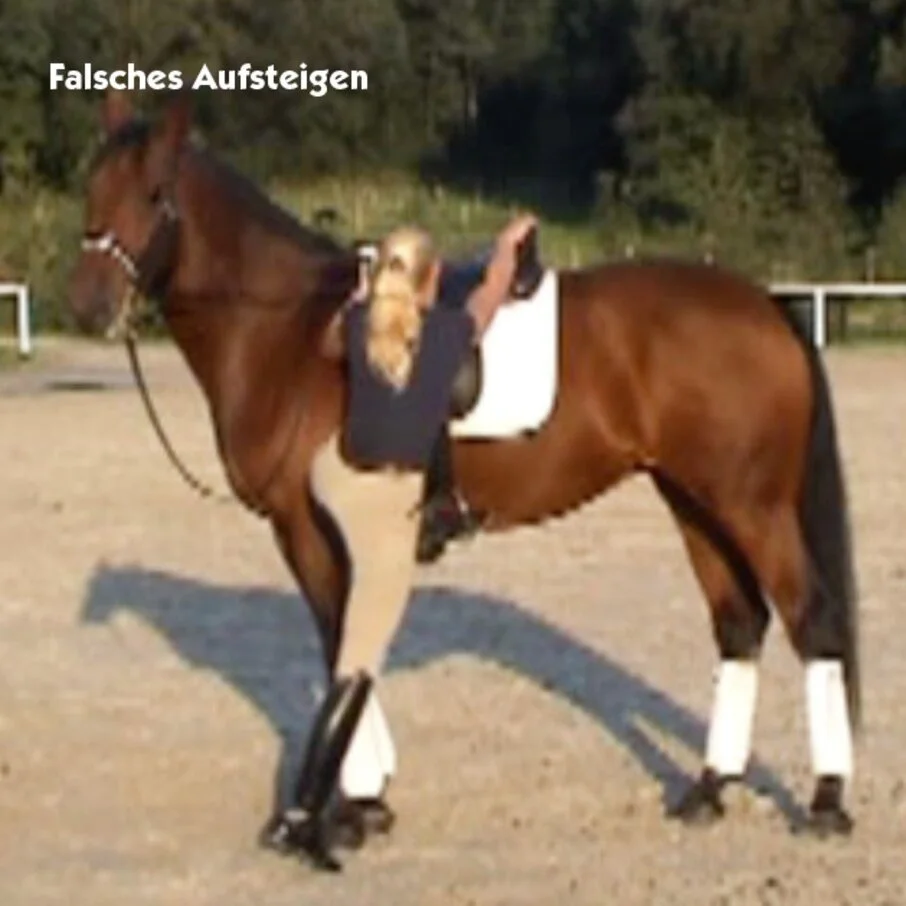
In order to maintain the high quality of a Passier saddle, it is important to mount correctly. The widespread practice of reaching for the saddle cantle to pull oneself up with the right hand inevitably leads to a twisted saddle tree. Therefore, when mounting one should reach the right hand over the seat of the saddle while on the ground. Even better is the use of a mounting block so that the back of the horse and the saddle are not strained. The wrong and the right way of mounting are shown in these two films.
Wrong Mounting
Correct Mounting