History
Passier. A success story since 1867
For more than 150 years, the name Passier has stood for saddlery craftsmanship, quality and a passion for horses and equestrian sport. What began in Hanover in 1867 is carried on today by the fifth generation. A story of people who understood their craft, who were repeatedly ahead of their time and who never lost sight of one thing: making products for horse and rider that last for many years.
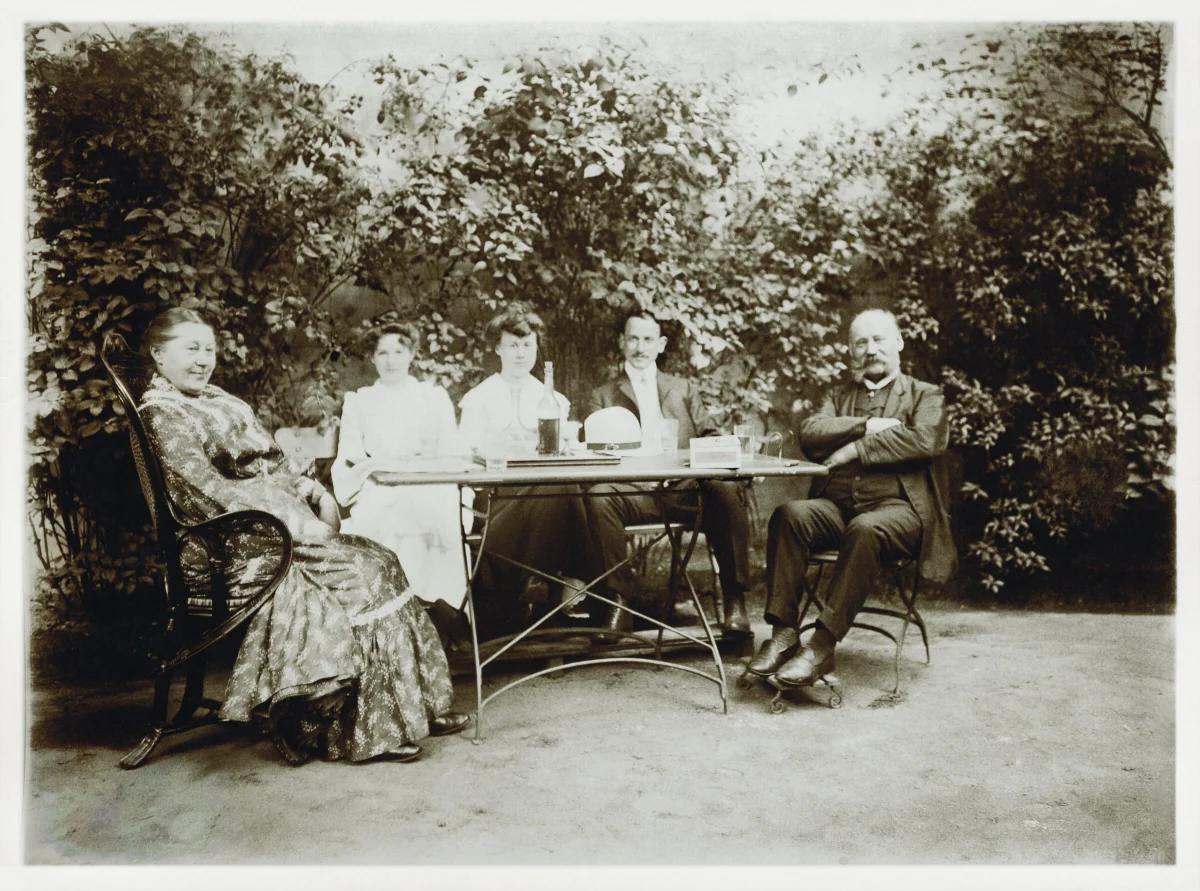
The Passier family, around 1900
1867
The beginning of a special story
In 1867 the time has come: Georg Passier, regimental saddler of the Royal Uhlan Regiment No. 13, opens his own saddlery at Aegidientorplatz in Hanover. Shortly afterwards the business moves to Lange Laube 2, right next to the King’s Uhlans.
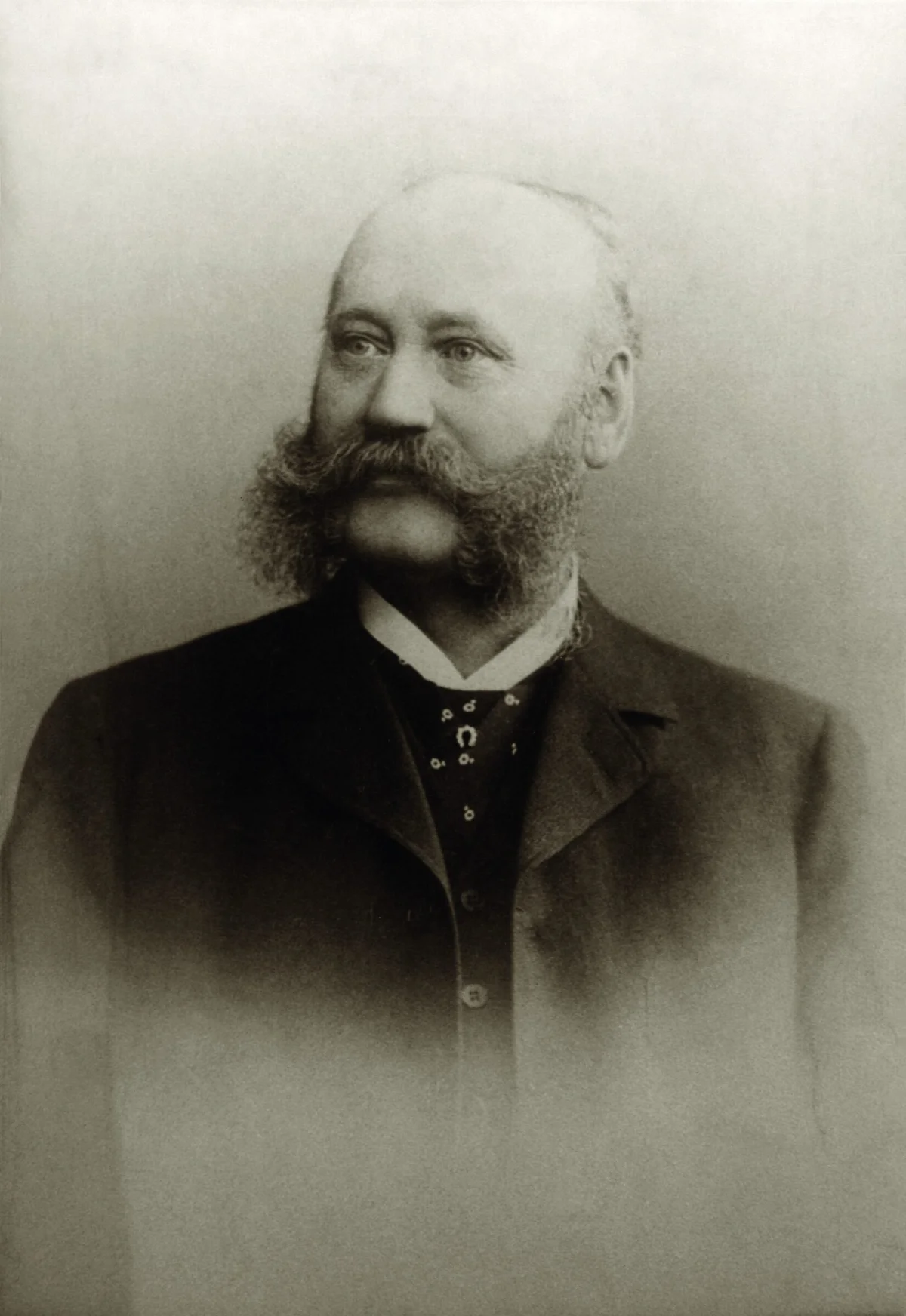
Georg Passier, company founder
But to be allowed to run his own craft business, Georg Passier first has to become a citizen of the city of Hanover. On 17 September 1867 he is entered in the register of citizens of the Royal Residence City of Hanover. To this day, this date is regarded as the official founding day of Passier.
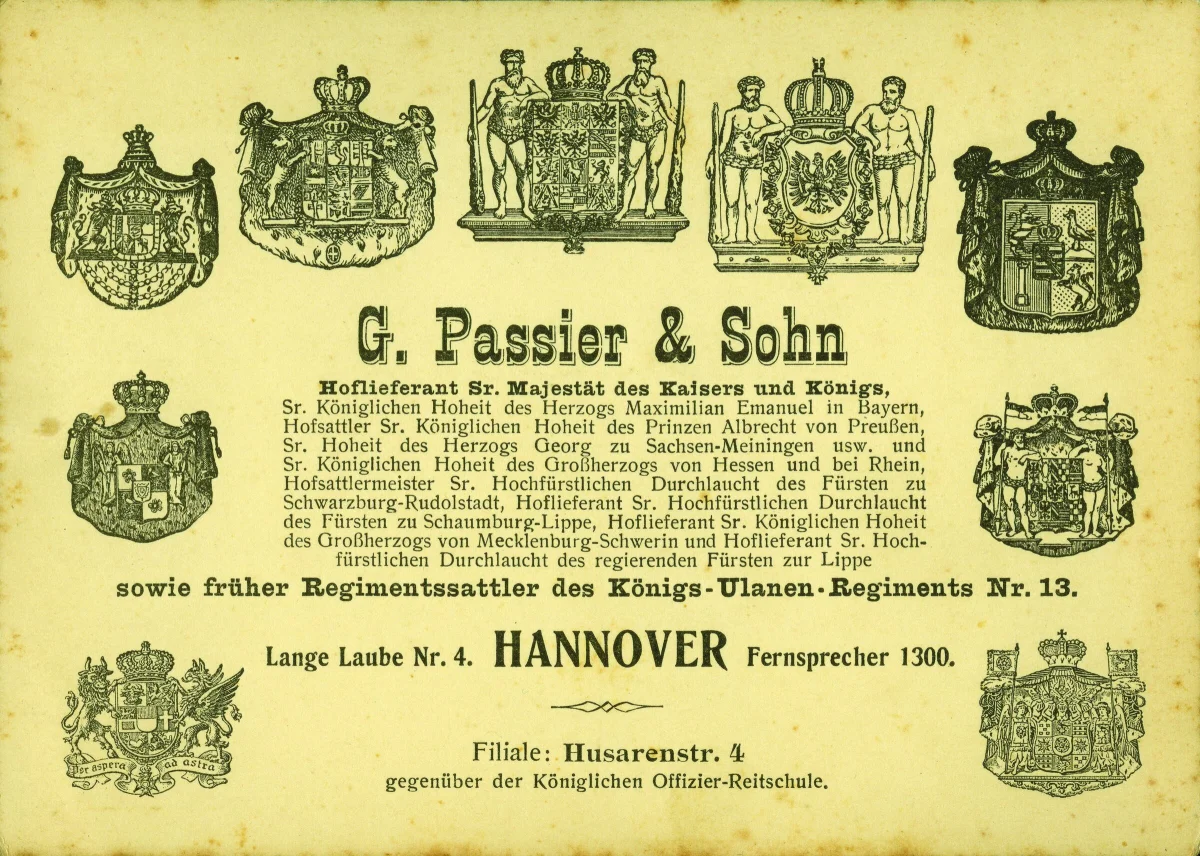
Letterhead: purveyor to the court of His Majesty the Emperor and King
1901
The second generation
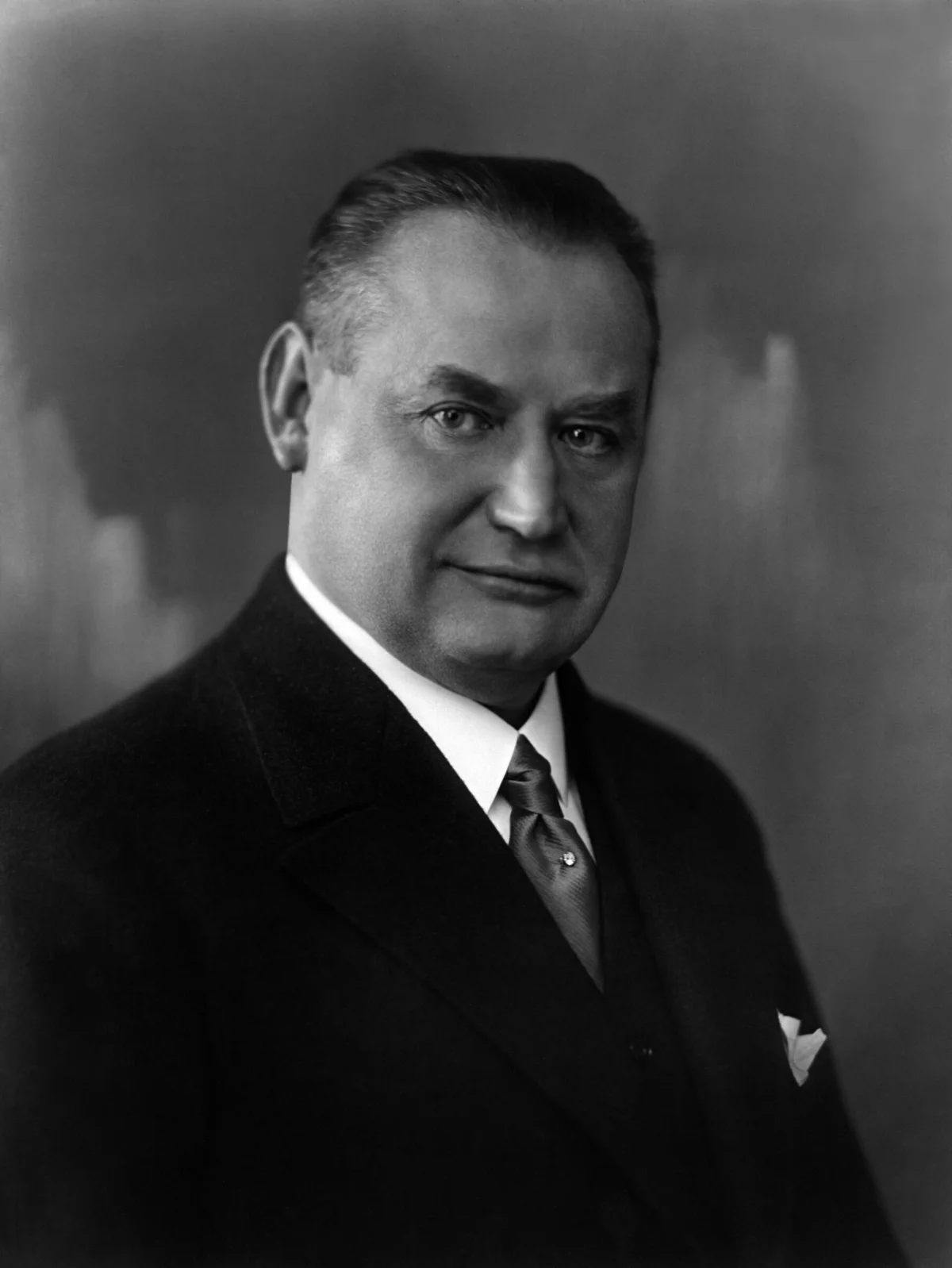
Ernst Heinrich Georg Passier
34 years later, the next generation joins the family business. Ernst Heinrich Georg Passier, son of the founder and also a master saddler, starts work in his father’s company in 1901 at the age of 28.
From now on the company bears the name “G. Passier & Sohn, Hof- und Regimentssattler” (court and regimental saddlers). By the outbreak of the First World War, Passier already employs 80 people.
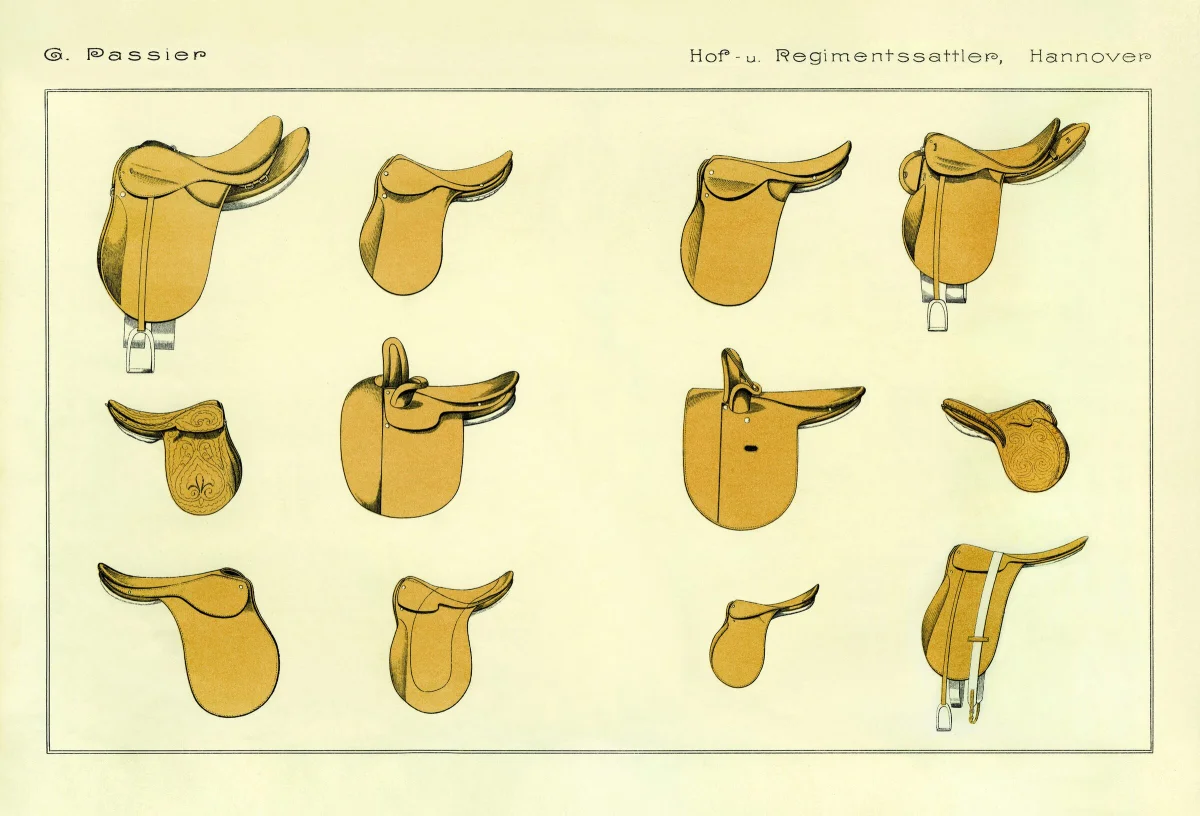
Model board of Passier saddles
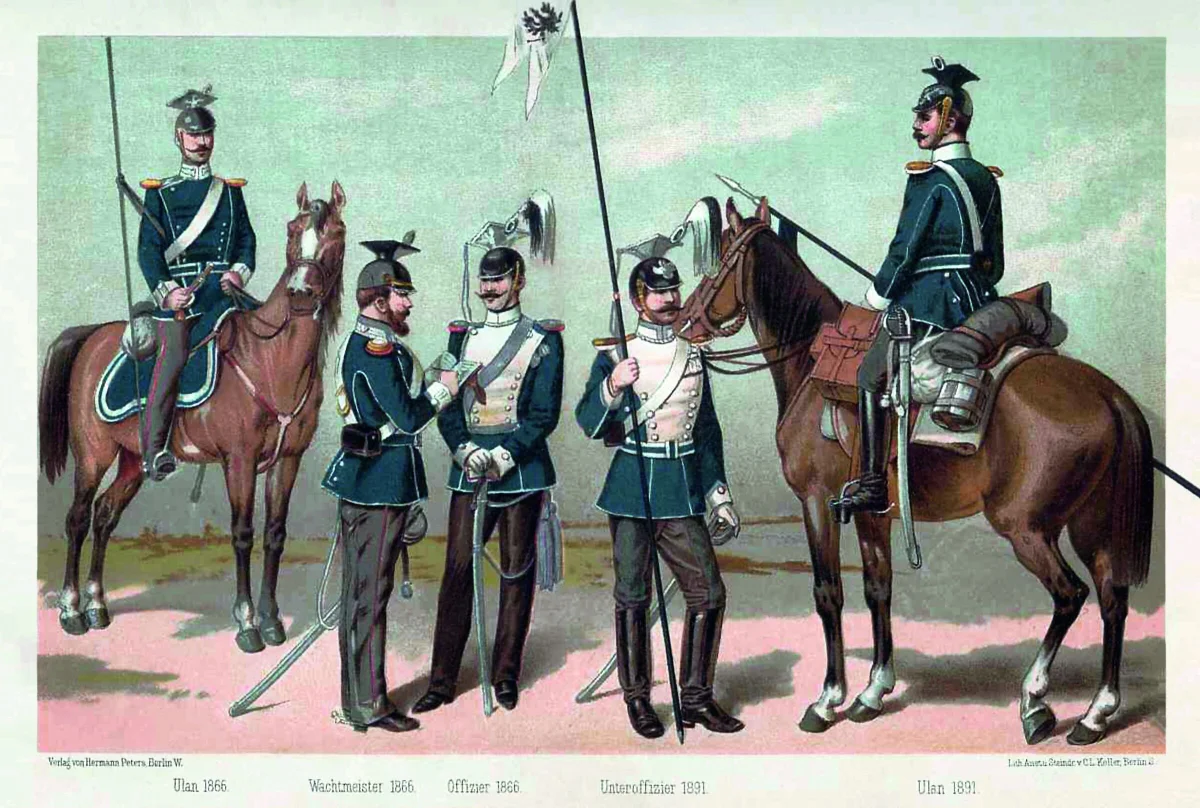
The Royal Uhlan Regiment No. 13
New times, new ways
After the First World War the world changes fundamentally. Civilian riding comes to a standstill, horse-drawn carriages are increasingly replaced by motor cars. Difficult years begin for the company.
But Ernst Passier does not give up. He revives earlier contacts abroad, expands international connections and opens up new markets. The name Passier becomes known beyond Germany’s borders. Internationally, Passier saddles become a byword for quality from Germany.
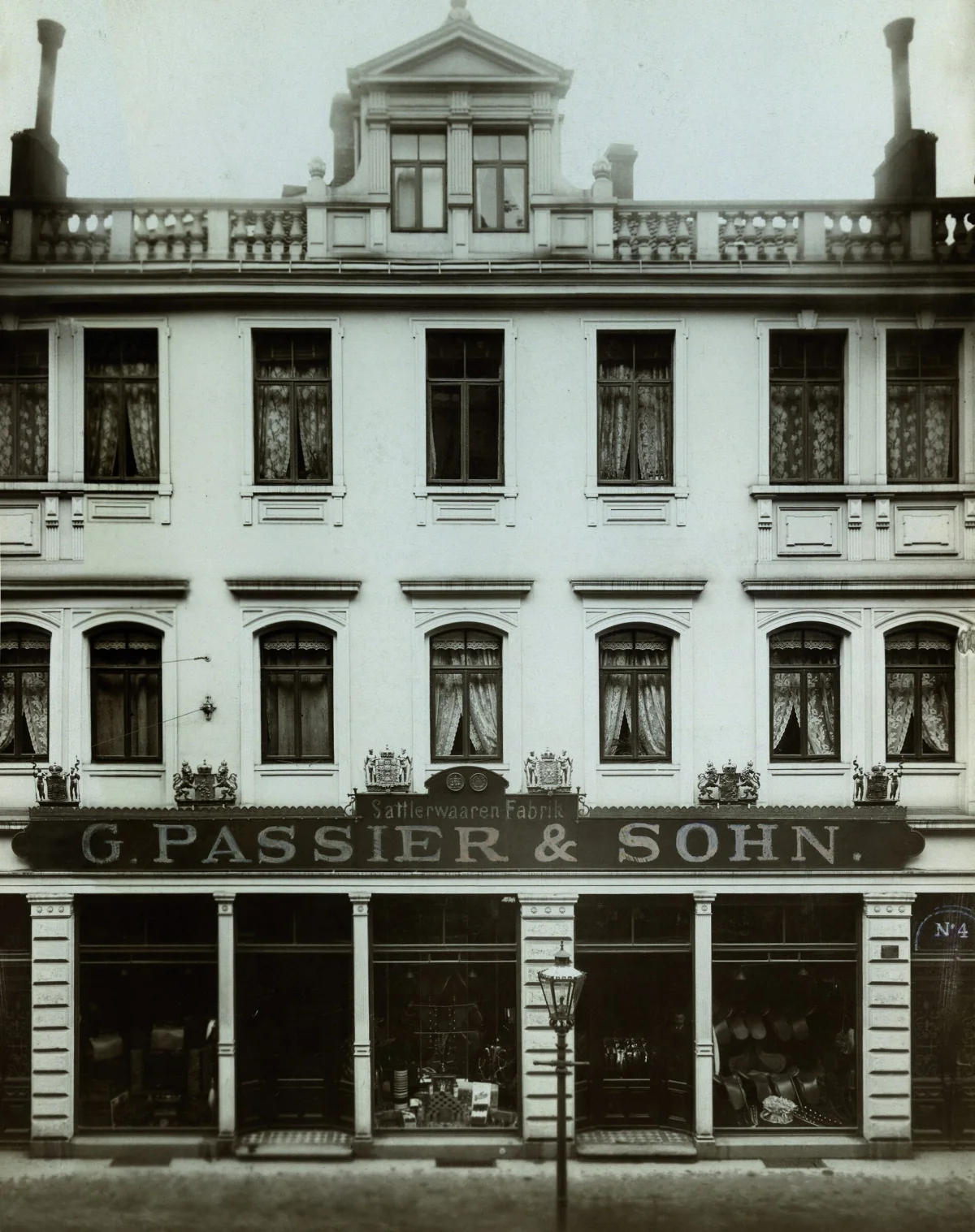
The original premises in Lange Laube, Hanover
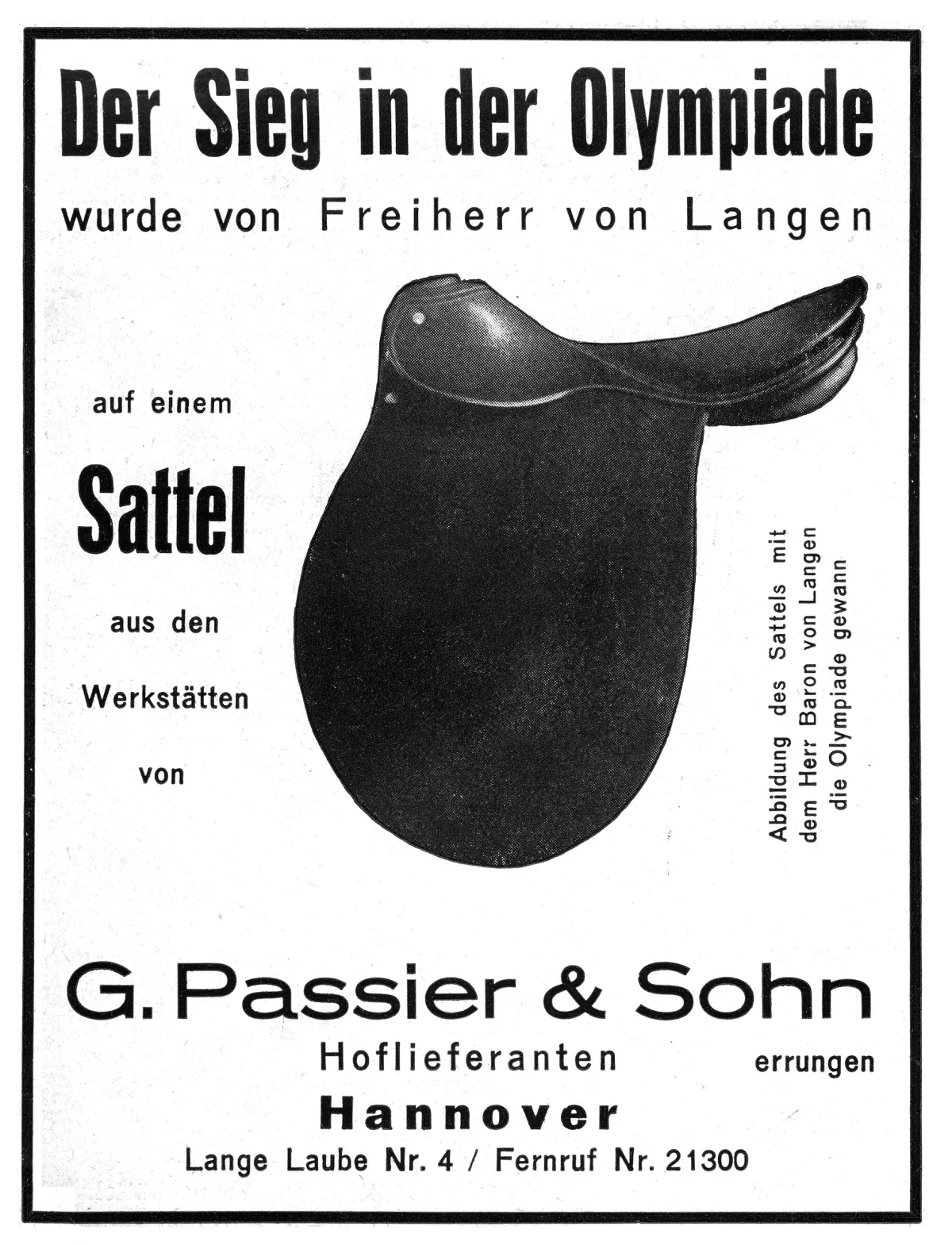
Advertisement: Olympic victory on a saddle by G. Passier & Sohn
1930
The third generation thinks internationally
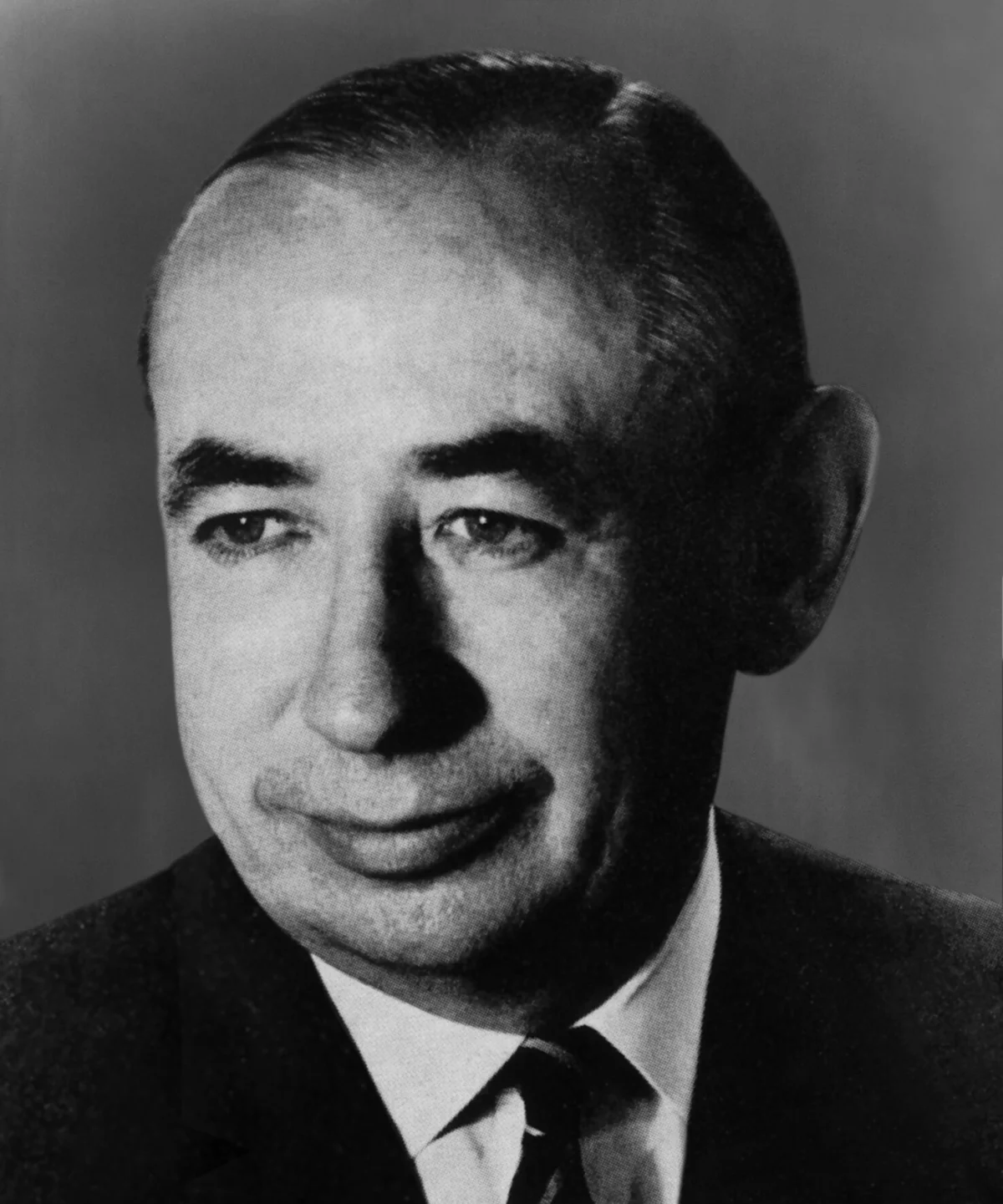
Georg Passier, third generation
In 1930 Georg Passier, son of Ernst Passier, starts work in the family business at the age of 23. He too is a trained saddler. In addition, he brings commercial training and the experience of a year spent in the USA – knowledge that decisively advances the further internationalisation of G. Passier & Sohn.
Despite the economic crisis, riding regains importance and the company continues to develop – until the Second World War changes everything once again.
During air raids, the Passier premises in Lange Laube are also hit. But Georg Passier holds on to a guiding principle that has come to symbolise the history of the family business:
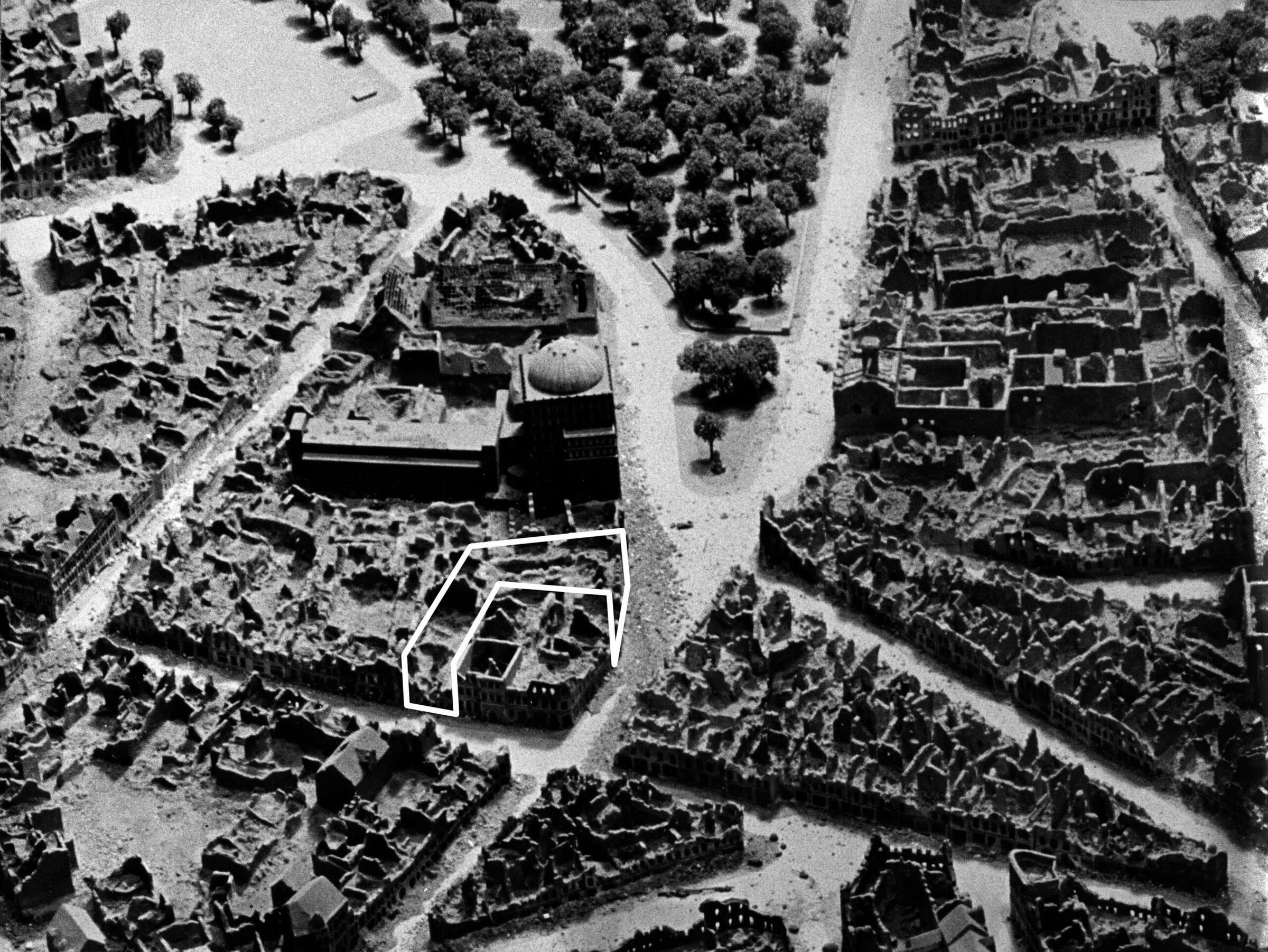
We have to keep moving forward!
Machines and leather stocks that had been moved out of the city survive undamaged. With them, reconstruction begins after the war at the new location Am Herrenhäuser Bahnhof. The first large orders follow. Production grows, demand for equestrian goods rises and Passier becomes part of the German economic miracle.
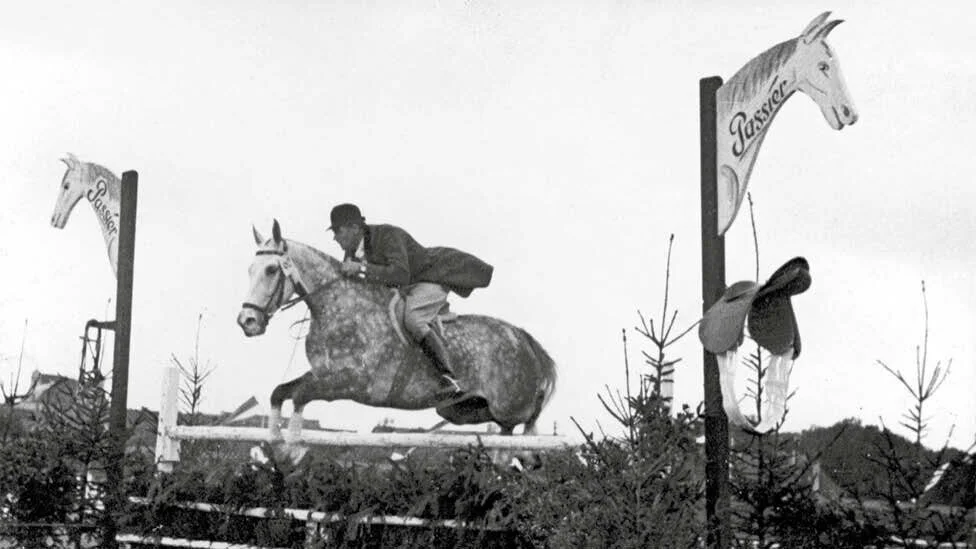
Passier on the show jumping course
Production in Herrenhausen runs at full speed. At the same time, the export of quality goods “made in Germany” becomes ever more important.
Quality “made in Germany” goes around the world
Passier saddles find their way to riders far beyond Germany. The knowledge of the saddlers, the quality of the materials and decades of experience form the basis of this international success.
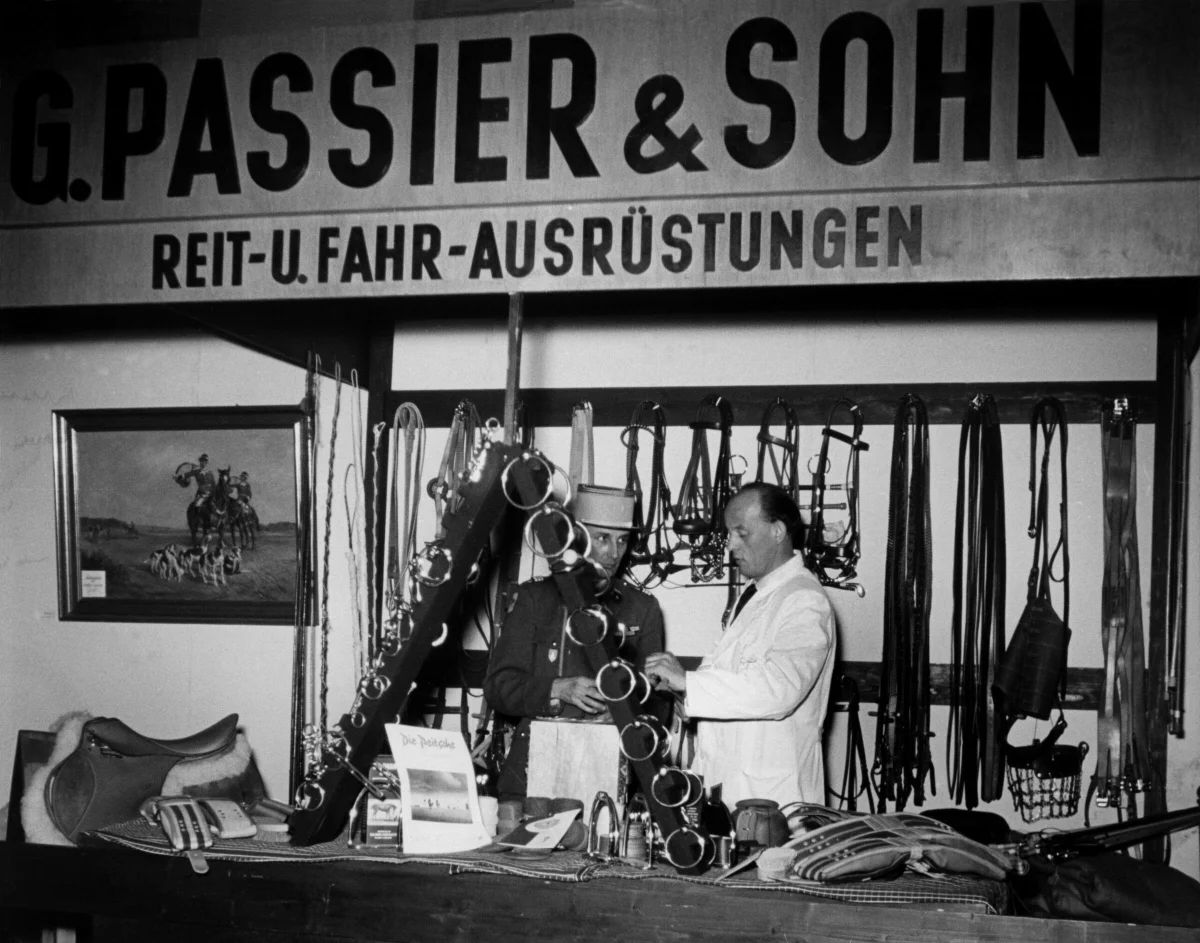
In the shop for riding and driving equipment
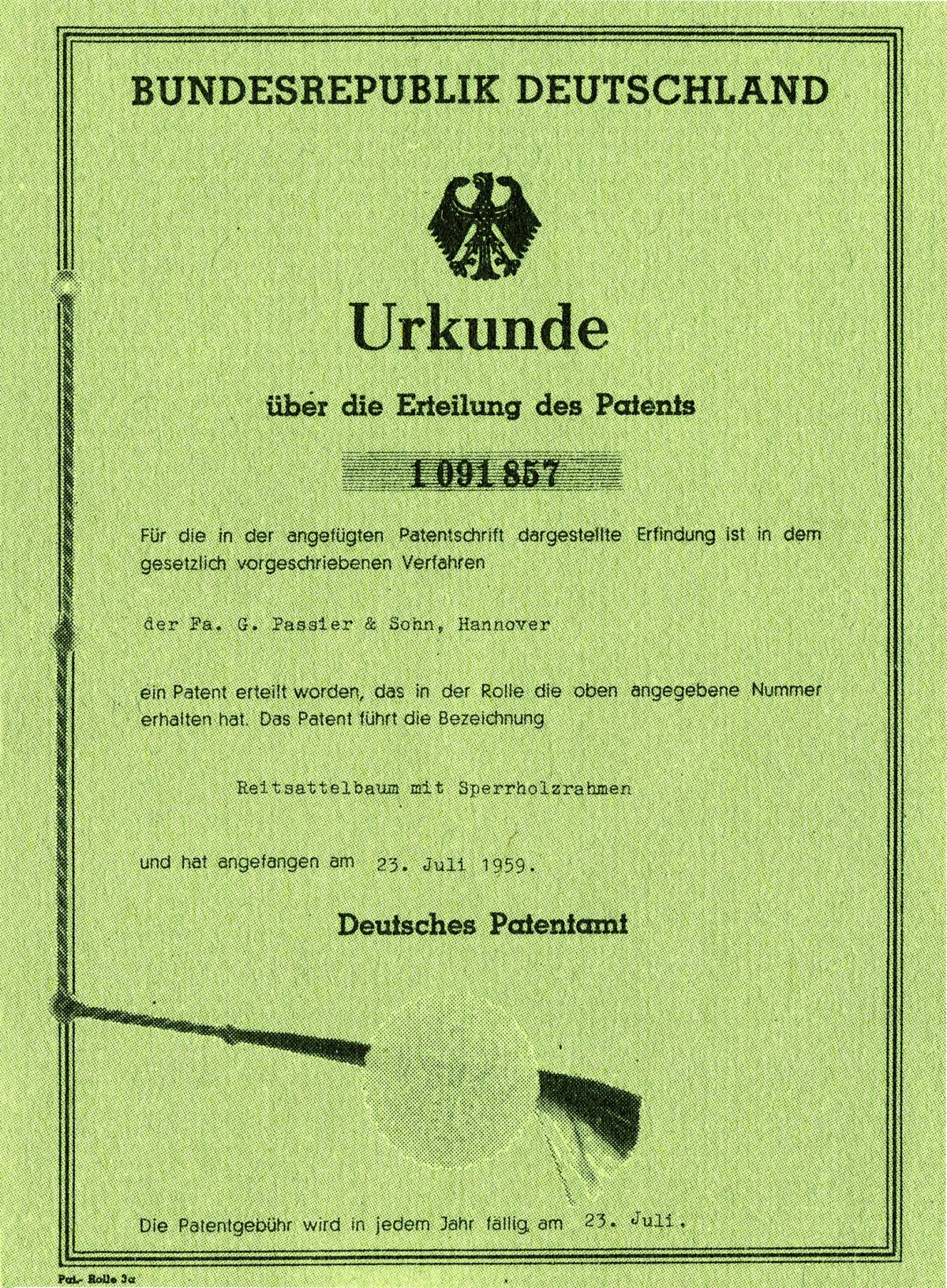
Patent certificate 1959: riding saddle tree with plywood frame
1967
A new home in Langenhagen
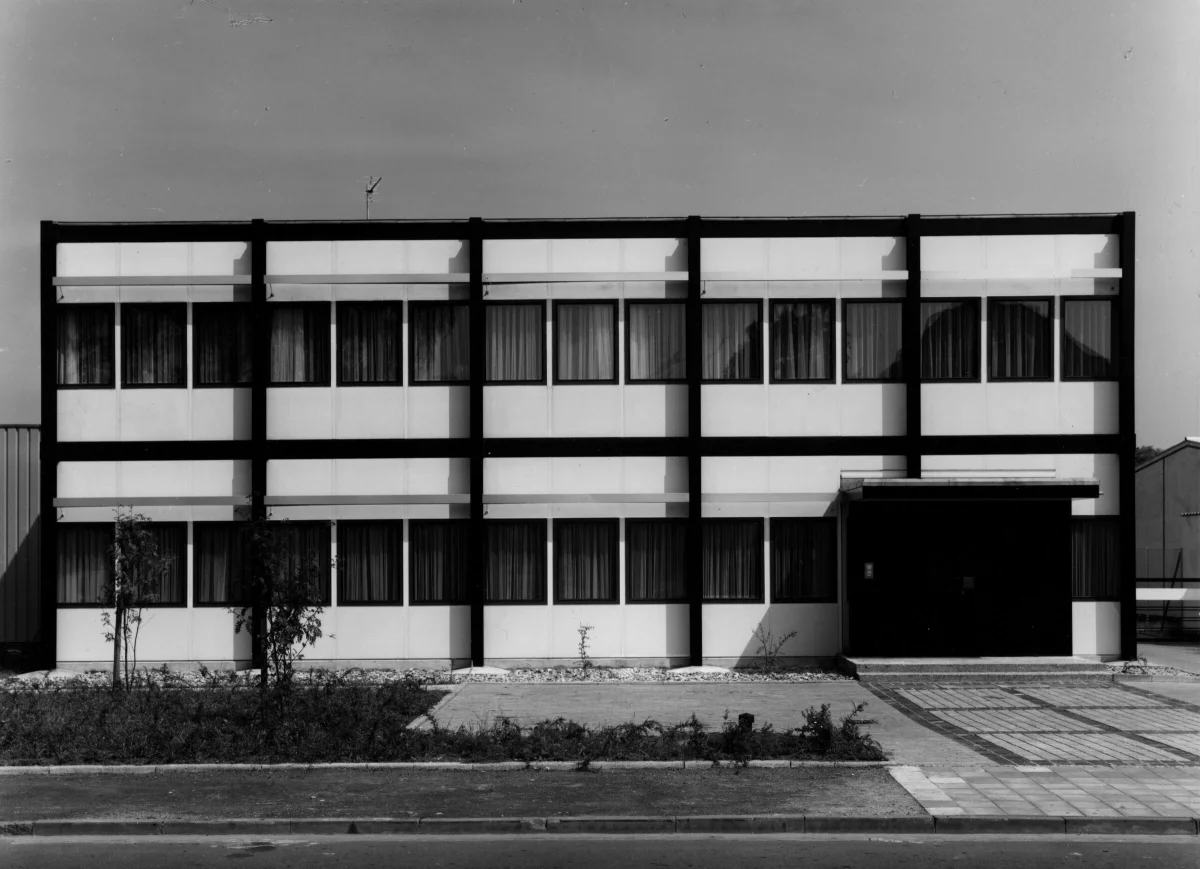
The new company headquarters in Langenhagen, 1967
Exactly 100 years after its founding, Passier opens a new chapter. In 1967 the company moves to its present headquarters in Langenhagen near Hanover, Am Pferdemarkt 8+10.
The new building is far more than a new location. It is a clear commitment to in-house manufacturing and to Germany as a production site. Passier saddles, bridles and accessories are still made here today.
1968
The fourth generation
Katrin Passier, great-granddaughter of the founder, is closely connected to the family business from childhood and spends a lot of time in her father’s company. After her marriage in 1966, her husband Jochen A. Kannemeier also joins Passier. The trained chemical engineer learns the saddler’s craft and the company from the ground up.
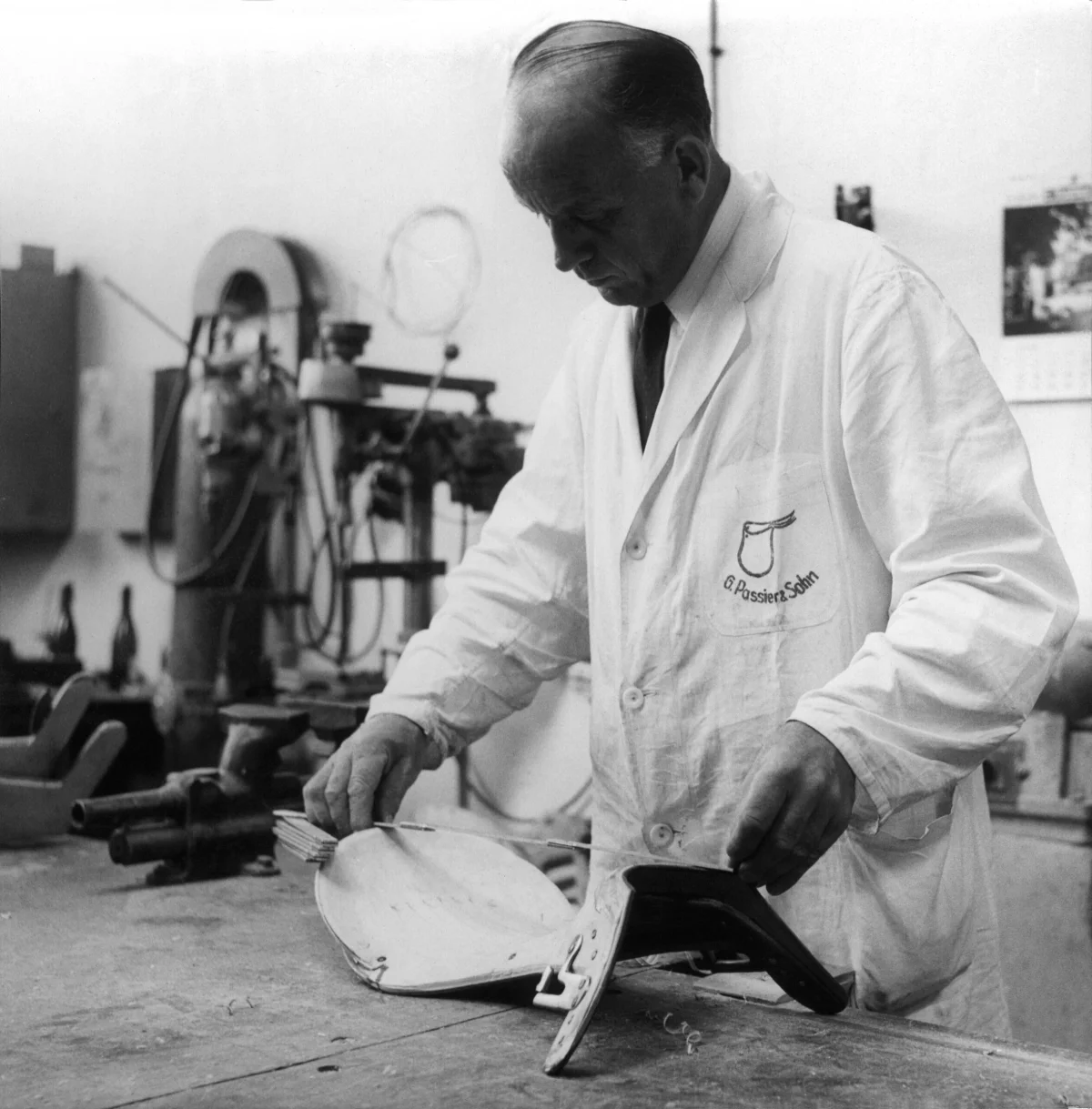
Saddlery work in the workshop
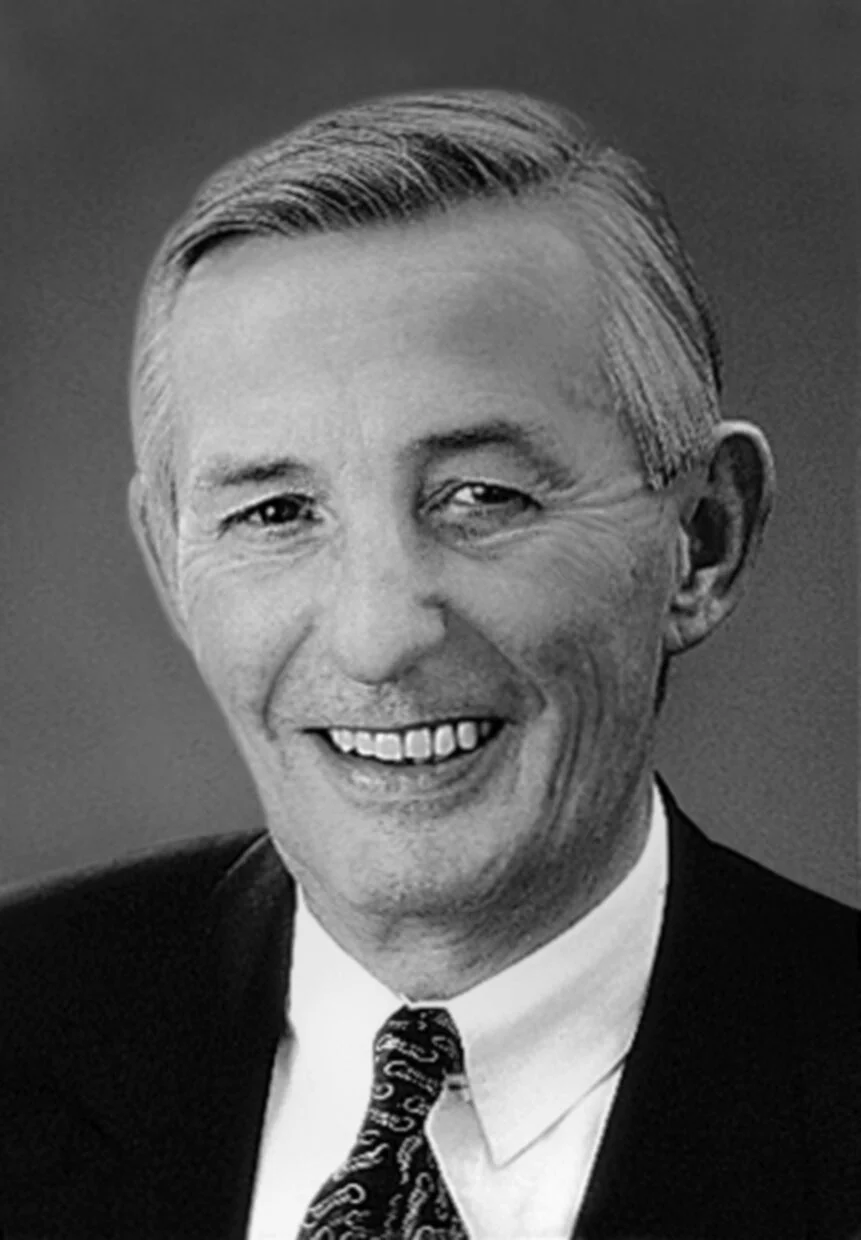
Jochen A. Kannemeier
On 17 September 1968 – to the day 101 years after the company was founded – he officially joins the expanding family business.
Growth with a clear commitment to quality
The fourth generation, too, relies on the highest quality from master craftsmen and consistently develops the company further. In the 1980s Passier grows strongly once again. For several years, production even takes place at two sites.
With all this growth, the standard remains the same: to make products that convince through craftsmanship, high-quality materials and longevity.
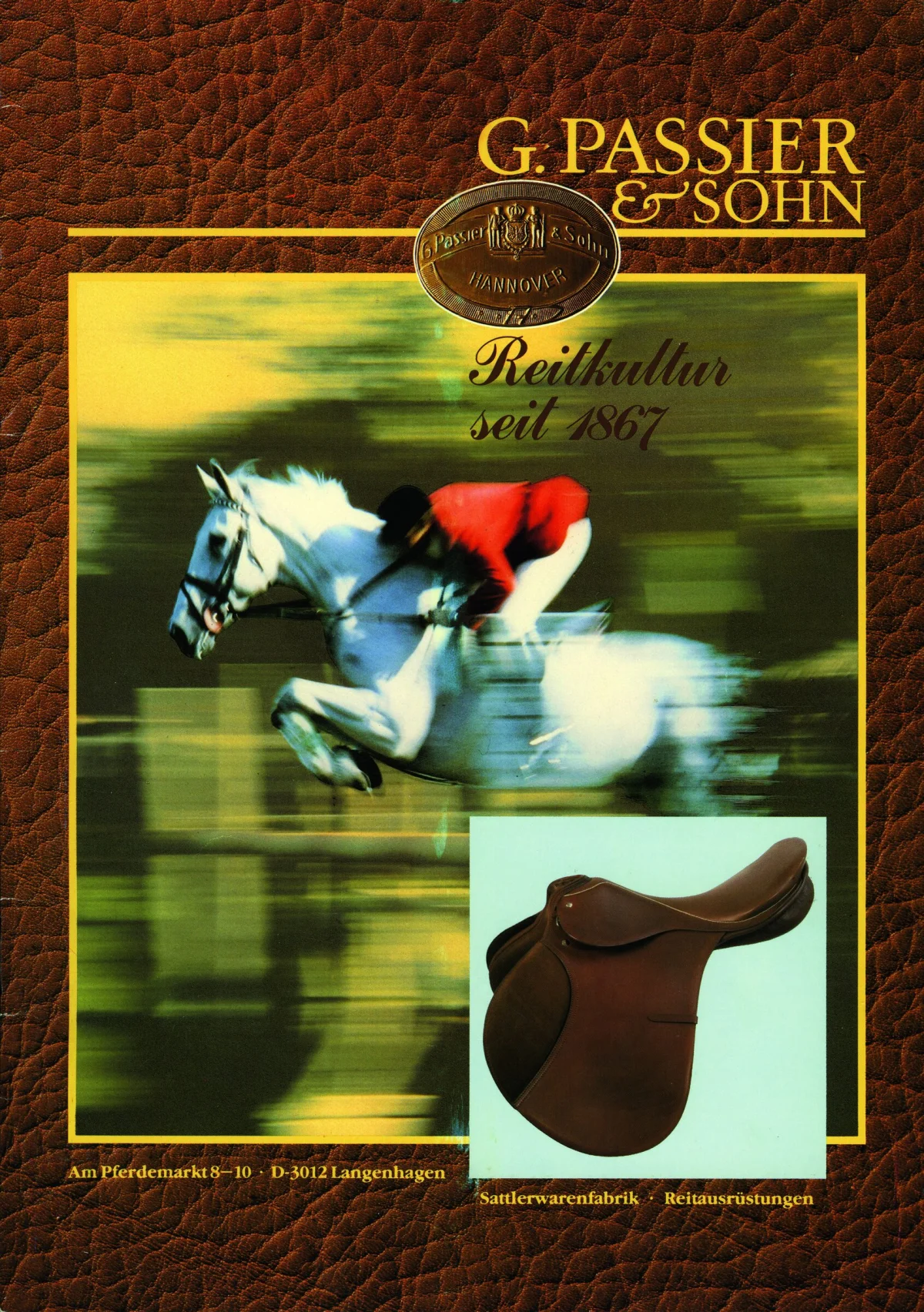
Passier catalogue: riding culture since 1867
1994
The fifth generation takes on responsibility
In 1994 Georg Dirk Kannemeier, son of Katrin and Jochen Kannemeier, joins the family business as the fifth generation – exactly 80 years after the death of Georg Christian Passier.
The former saddlery has meanwhile become an internationally active company. Around 80 employees work for Passier, and its products are exported to more than 40 countries on every continent. And yet the core of the company has remained the same.
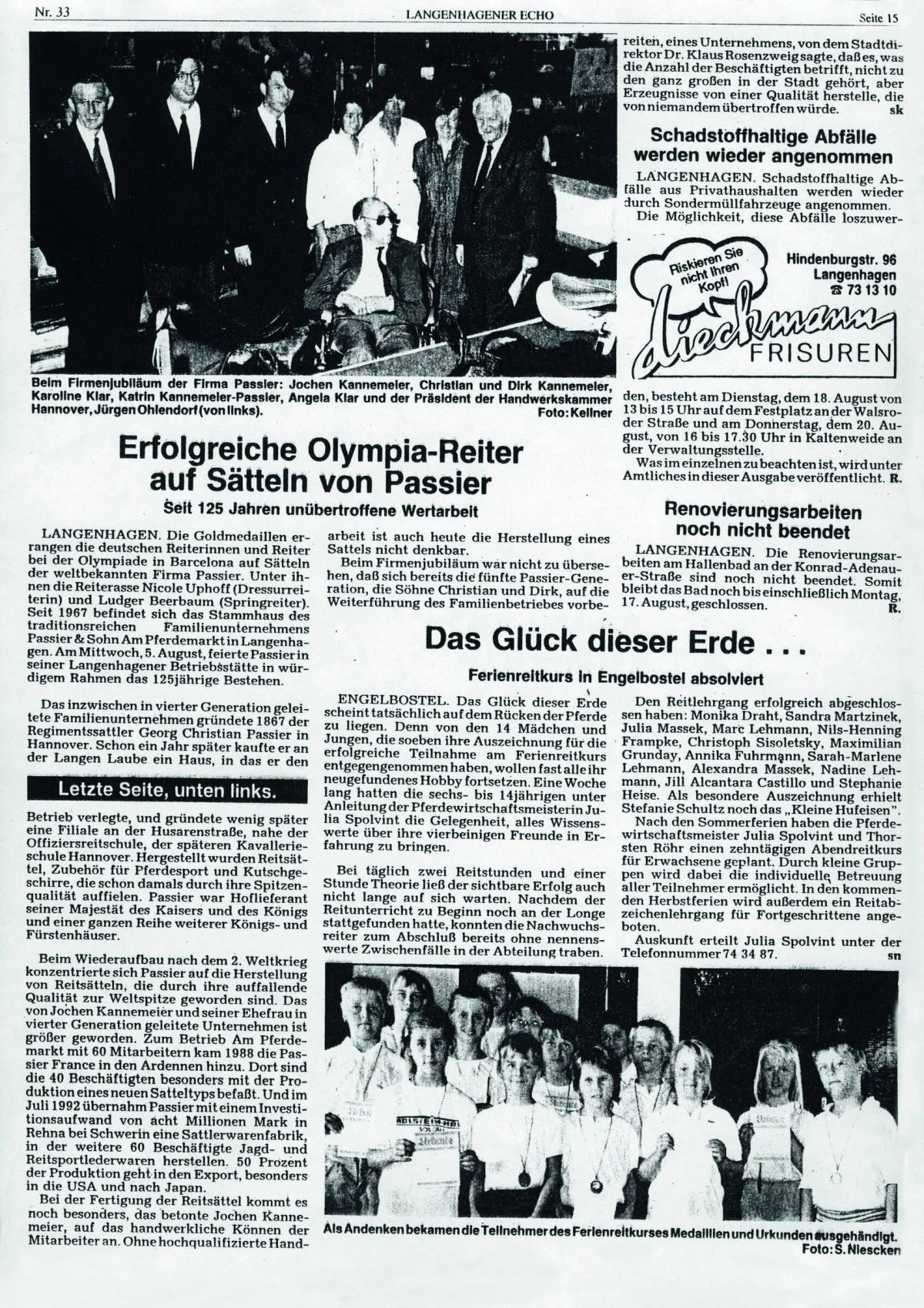
Olympic successes on Passier saddles
Langenhagen remains the heart of Passier
In the years that follow, the headquarters in Langenhagen are repeatedly rebuilt and modernised. Passier deliberately remains loyal to Germany as its production location.
Development and production remain in-house to this day. New ideas can thus emerge exactly where the knowledge of saddles, leather and craftsmanship has been at home for generations.
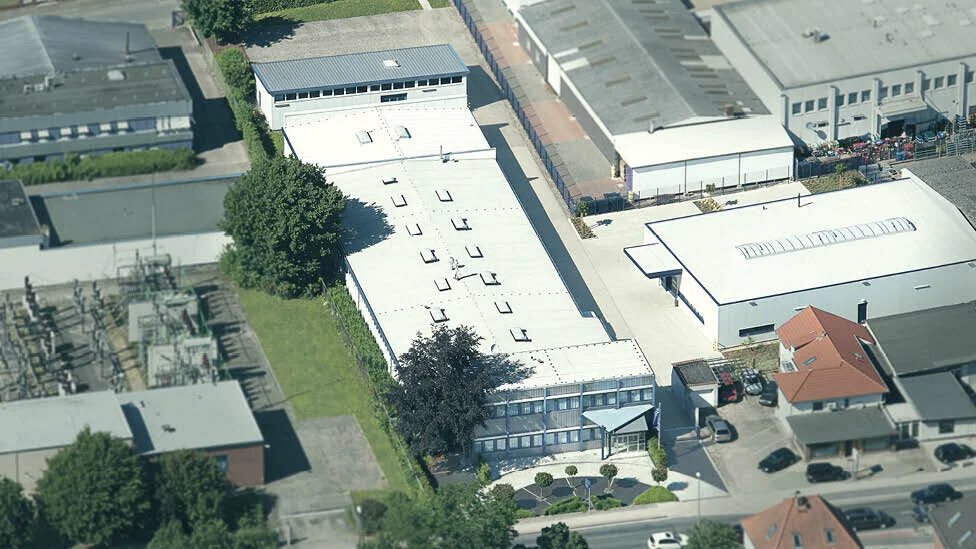
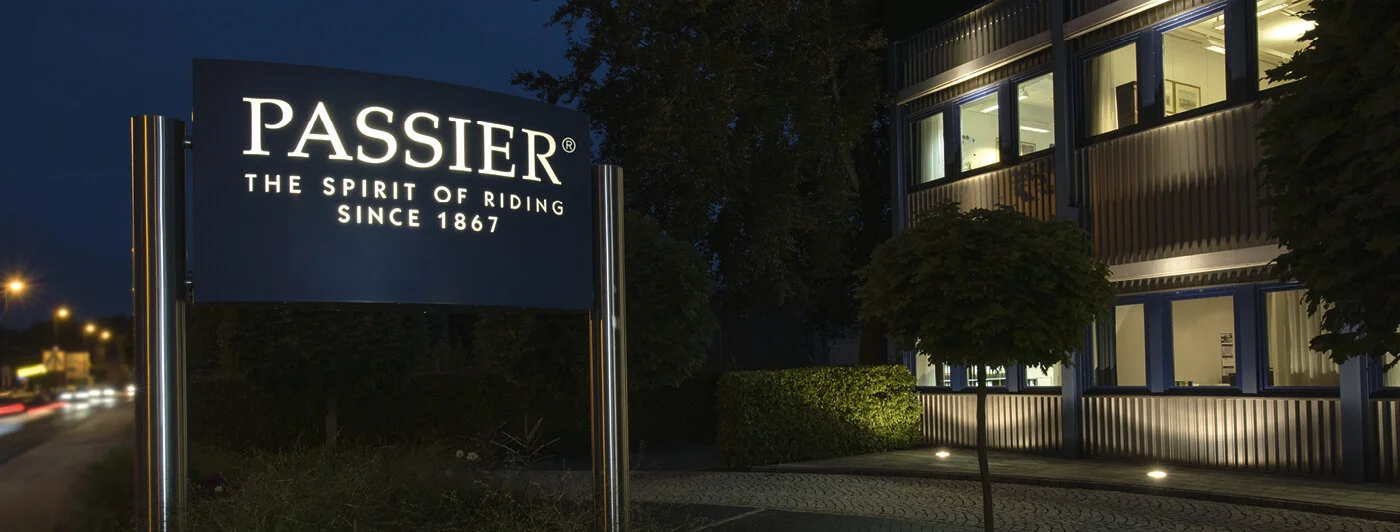
The company headquarters in Langenhagen today
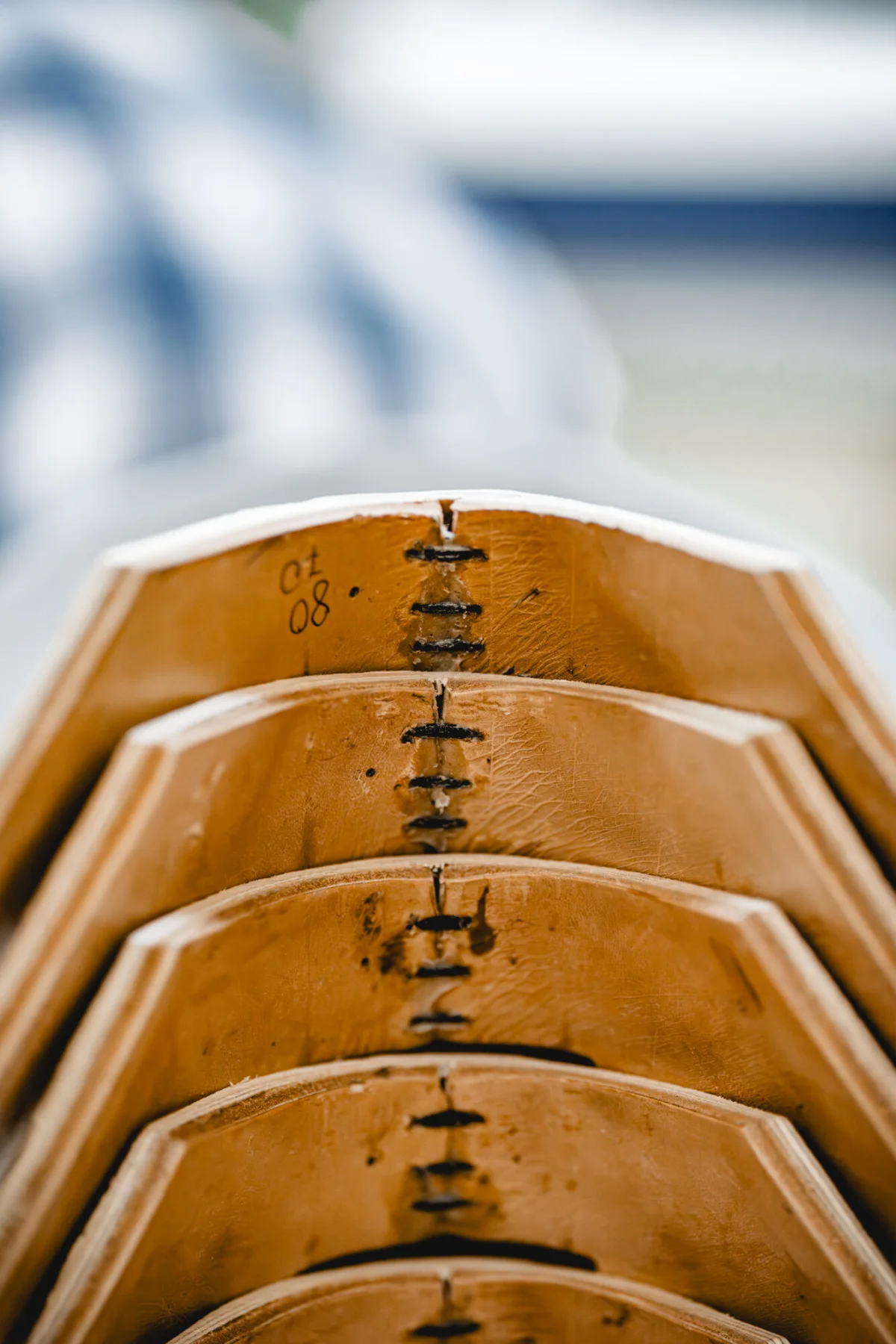
Handmade PS saddle trees
From the handmade PS saddle tree to the final inspection, a Passier saddle takes shape in many individual steps. Experience, a fine touch and a trained eye accompany it through the manufactory. This is how high-quality materials become a product with a character all its own: a unique piece from a master’s hand.
For us, tradition means moving forward
Especially in a world that keeps getting faster, we believe in the value of good craftsmanship. In products that are not made for a fleeting moment. In saddles that can accompany horses and riders for many years. And in quality you can see, feel and experience.
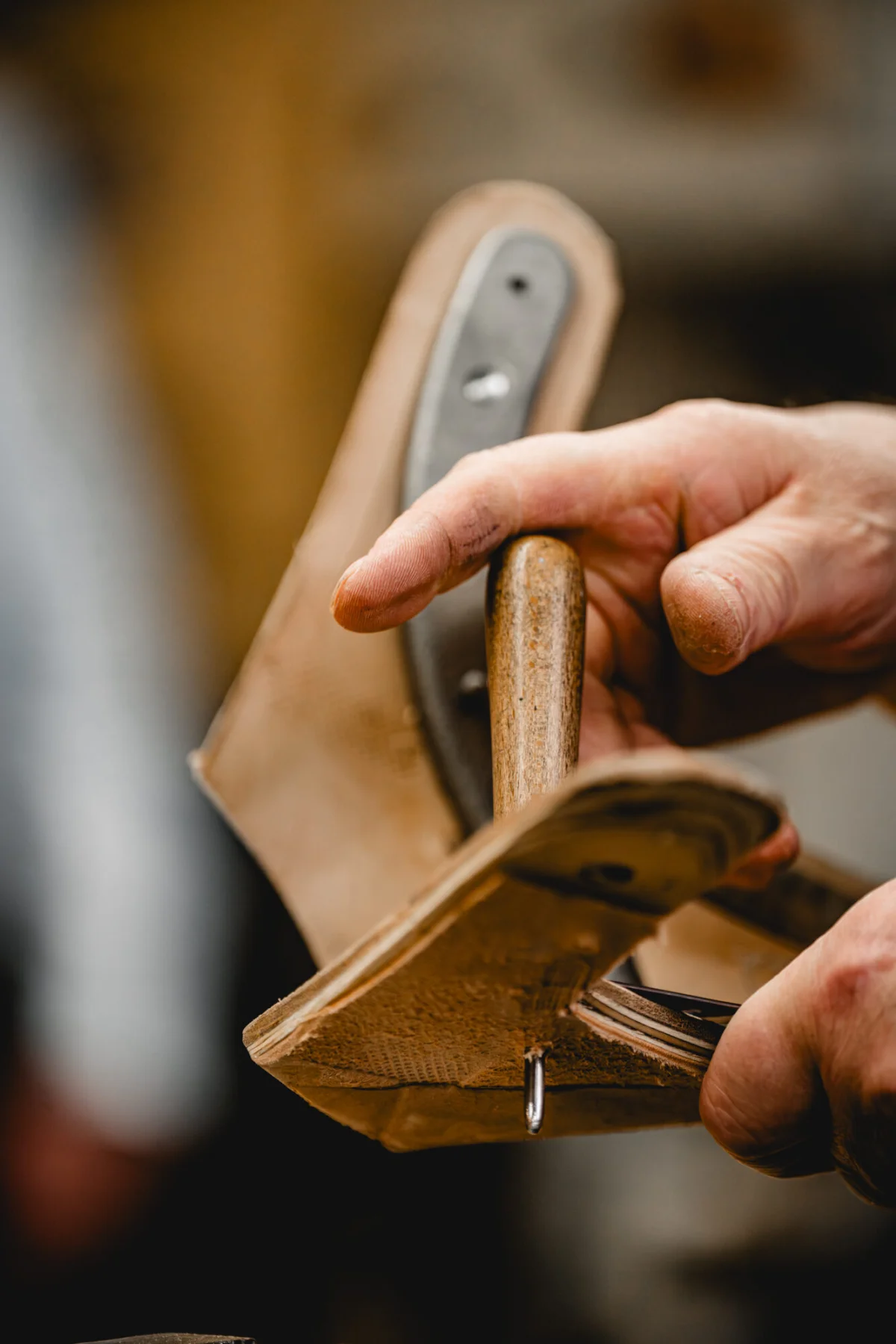
Leather worked by hand
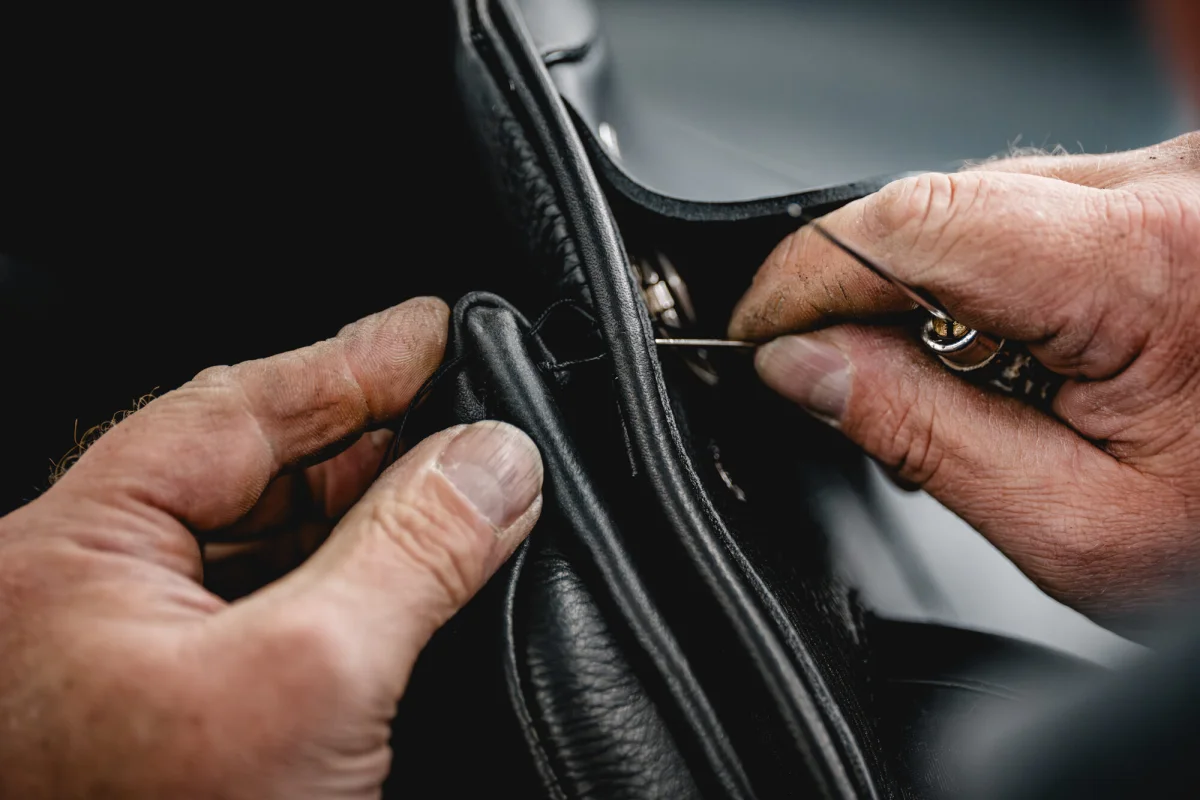
Hand stitching on a Passier saddle
Much has changed since 1867. Equestrian sport. The demands on our products. The possibilities in development and production. Our commitment to quality has remained.
In the future, too, we want to preserve the knowledge of our traditional saddler’s craft while having the courage to think ahead – with new ideas, in close exchange with the equestrian world and with a focus on what horse and rider really need.
Passier. Since 1867.
And ready for everything that lies ahead.